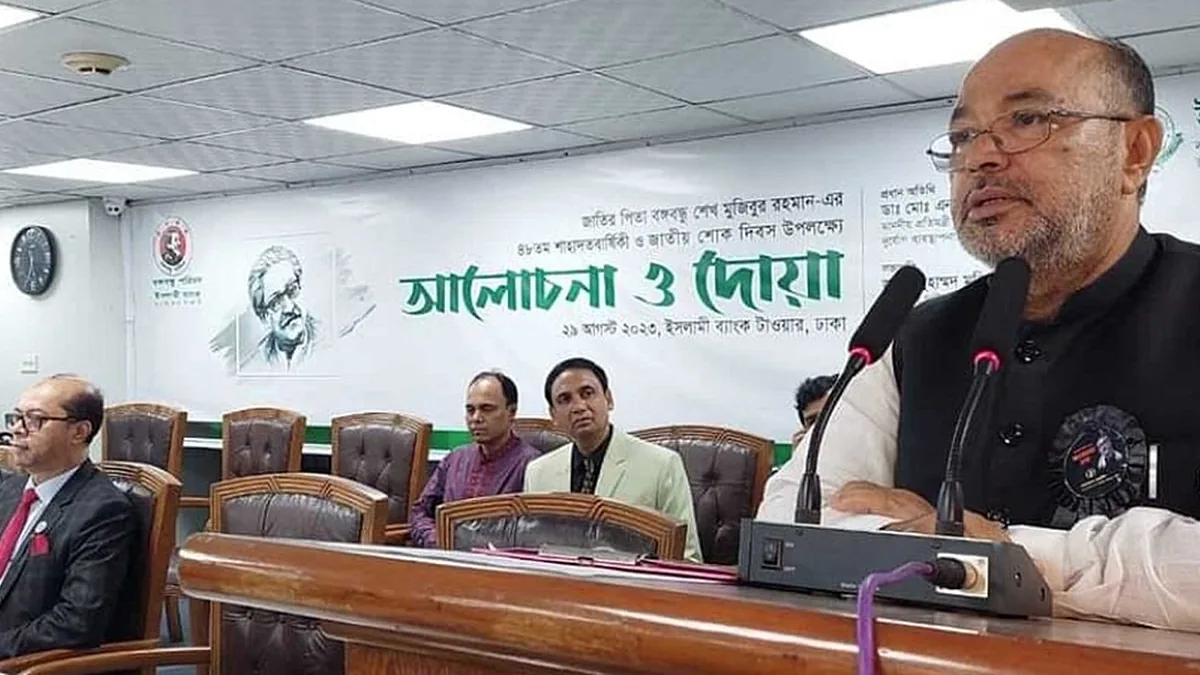
Recent reports from Bangladesh point to a convergence of major economic demands, labor unrest, and political violence. From Islami Bank seeking substantial financial support from the government to garment workers protesting against wage structures, the country's economic landscape remains volatile. Concurrently, incidents of political violence, including clashes and bomb-making explosions involving activists, continue to draw law enforcement attention.
Background
Tensions surrounding the garment sector have persisted following recent adjustments to minimum wages. According to recent reports, including The Daily Star, garment workers' minimum wage increases faced severe criticism, with global networks like the Clean Clothes Campaign labeling figures exploitative and workers staging protests and clashes, echoing earlier unrest documented in areas like Ashulia and Savar. Politically, tensions escalated in November following the Awami League's call for nationwide protests ahead of former Prime Minister Sheikh Hasina's planned return, leading to incidents such as bomb blasts, arson attacks, and a fatal cocktail-making explosion in Chapai Nawabganj recently, as reported by Prothom Alo. BBC News Bangla reported that Islami Bank requested Tk 75,000 crore from the government over five years, alongside owners proposing a Tk 15,800 minimum wage.
Why it matters
These intersecting crises carry profound implications for Bangladesh's stability and economy. Islami Bank's reported request for Tk 75,000 crore from the government over five years places a heavy burden on state finances. Simultaneously, ongoing labor unrest and factory closures in industrial hubs like Savar and Ashulia threaten export earnings in the critical readymade garment sector. International scrutiny from organizations like the Clean Clothes Campaign further highlights reputational risks for the country's primary export industry.
What each side says
Labor organizations and global advocacy groups, such as the Clean Clothes Campaign, argue that the current wage proposals and implemented figures are insufficient and exploitative given the rising cost of living. According to BBC News Bangla, owners have proposed a minimum wage of Tk 15,800 for garment workers, while worker representatives have also put forward proposals, though a final decision is pending. Regarding political unrest, law enforcement agencies have initiated investigations into bomb-making incidents and clashes.
What to watch next
Reports indicate that final decisions regarding financial packages, such as Islami Bank's requested government allocation, and adjustments to worker wage structures remain pending. Authorities continue to investigate recent explosions and clashes, while the security situation is expected to remain under close watch ahead of planned political programs.