What is the RMG Sector
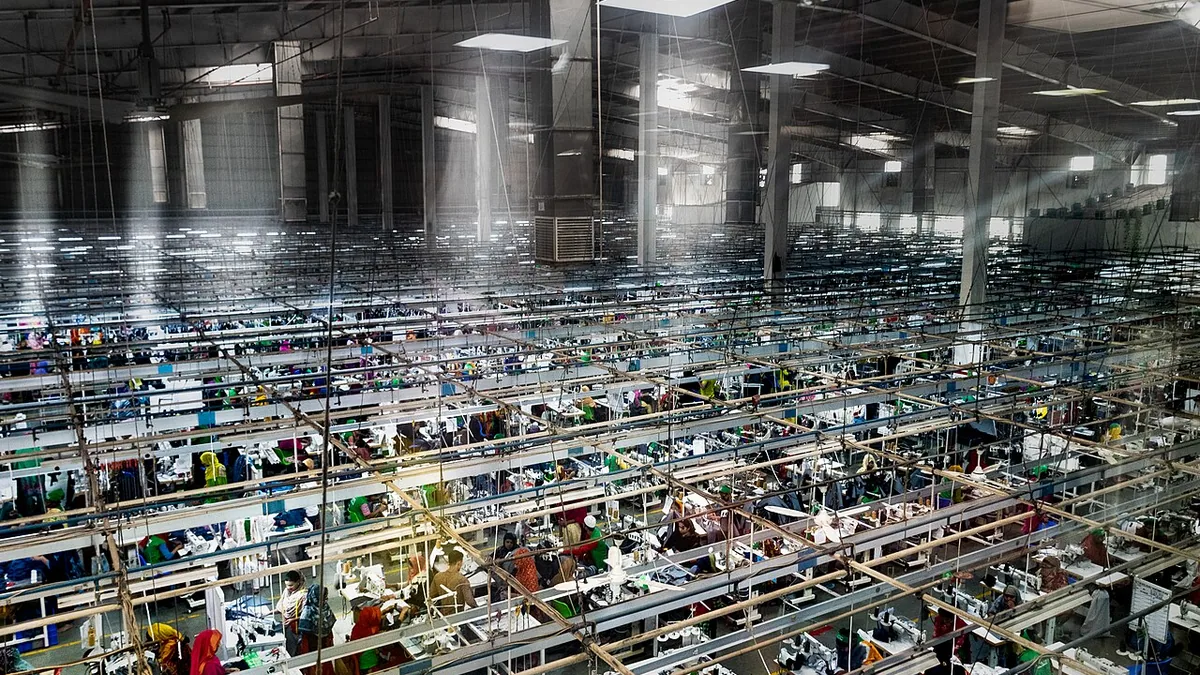
The ready-made garment (RMG) industry is Bangladesh's largest merchandise export earner. Comprising knitwear and woven apparel manufacturing, the sector positions Bangladesh as one of the leading global apparel exporters, supported by a vast domestic supply chain.
Background and Development
The export-oriented garment industry began taking shape in the late 1970s and early 1980s, notably through early collaborative ventures like Desh Garments and South Korea's Daewoo. Government policy measures, such as duty-free import facilities through bonded warehouses and back-to-back letters of credit, further accelerated industrial growth.
Employment and Wages
The garment sector employs millions of workers, providing formal employment opportunities particularly for women migrating from rural areas. Minimum wage structures have evolved through negotiations over the years, with recent boards setting the minimum monthly wage at Tk 17,000.
Worker Safety and Labor Standards
Tragic industrial accidents, notably the Rana Plaza collapse and the Tazreen Fashions fire, prompted a fundamental overhaul of factory safety standards. Initiatives like the International Accord and the RMG Sustainability Council (RSC) conduct rigorous structural, fire, and electrical safety inspections across covered factories.
Key Facts
- Export Share: Accounts for a vast majority of national export earnings.
- Main Markets: European Union and the United States remain the primary destinations.
- Minimum Wage: Set at Tk 17,000 per month.
- Safety Oversight: Monitored through extensive inspection frameworks like the RSC and International Accord.
Related on 24khobor:
Challenges and What to Watch Next
The industry faces several evolving challenges, including upcoming least developed country graduation milestones, rising energy costs, and compliance with decarbonization and sustainability standards. For the most precise and up-to-date figures, readers should consult official trade bodies and government portals.