What is the National Budget?
The national budget is a comprehensive financial plan outlining the government's projected revenues and expenditures for the upcoming fiscal year. It serves as a primary tool for economic management, guiding public sector priorities and financial allocations.
How It Is Prepared and Passed
In Bangladesh, the budget is formulated by the Ministry of Finance in coordination with various government bodies and stakeholders. After careful preparation, it is presented before the national parliament for discussion and formal approval.
Revenue, Expenditure, and Deficit
Government revenue primarily comes from taxes, duties, and non-tax receipts. Studies note that indirect taxes like VAT can proportionally impact lower-income households significantly. Expenditures are directed towards public administration, social safety nets, subsidies, and infrastructure. When expenditures exceed revenues, the government faces a budget deficit, which is typically financed through domestic and external borrowing.
Annual Development Programme (ADP)
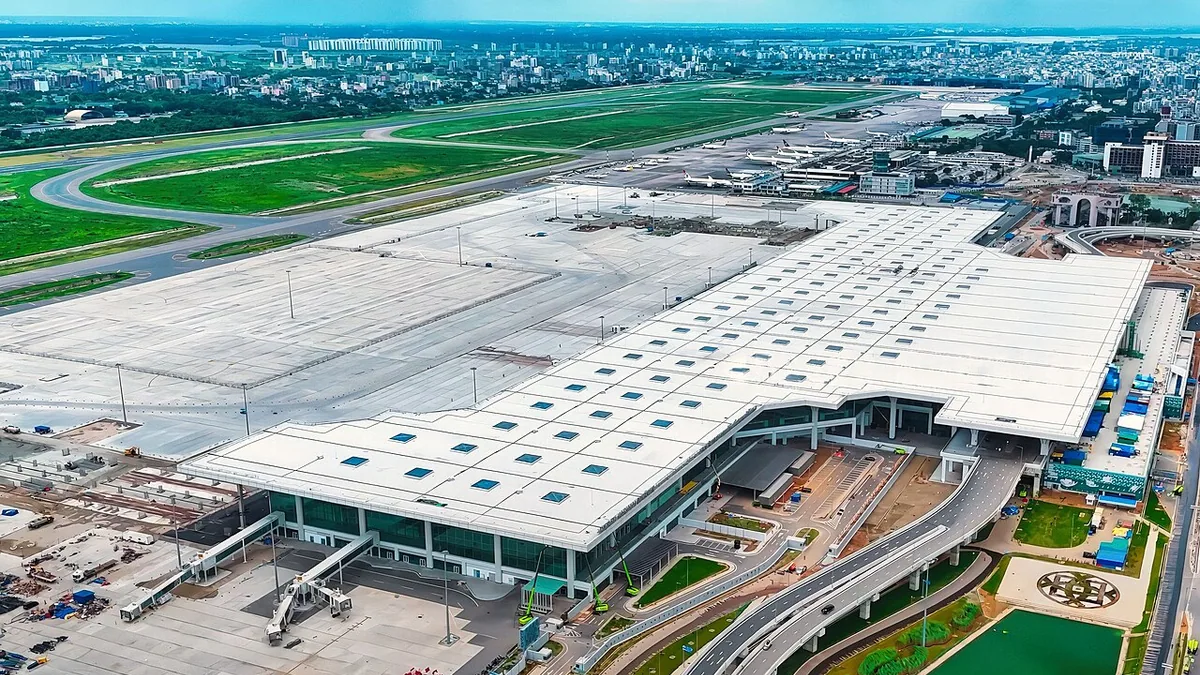
A crucial component of the budget is the Annual Development Programme (ADP), which allocates funds for public investment projects, infrastructure development, and regional growth initiatives across the country.
Related on 24khobor:
What It Means for You
The national budget directly affects everyday life through taxation policies, inflation trends, public service allocations, and market prices. For exact figures, schedules, and official updates, readers should consult official government portals and announcements.