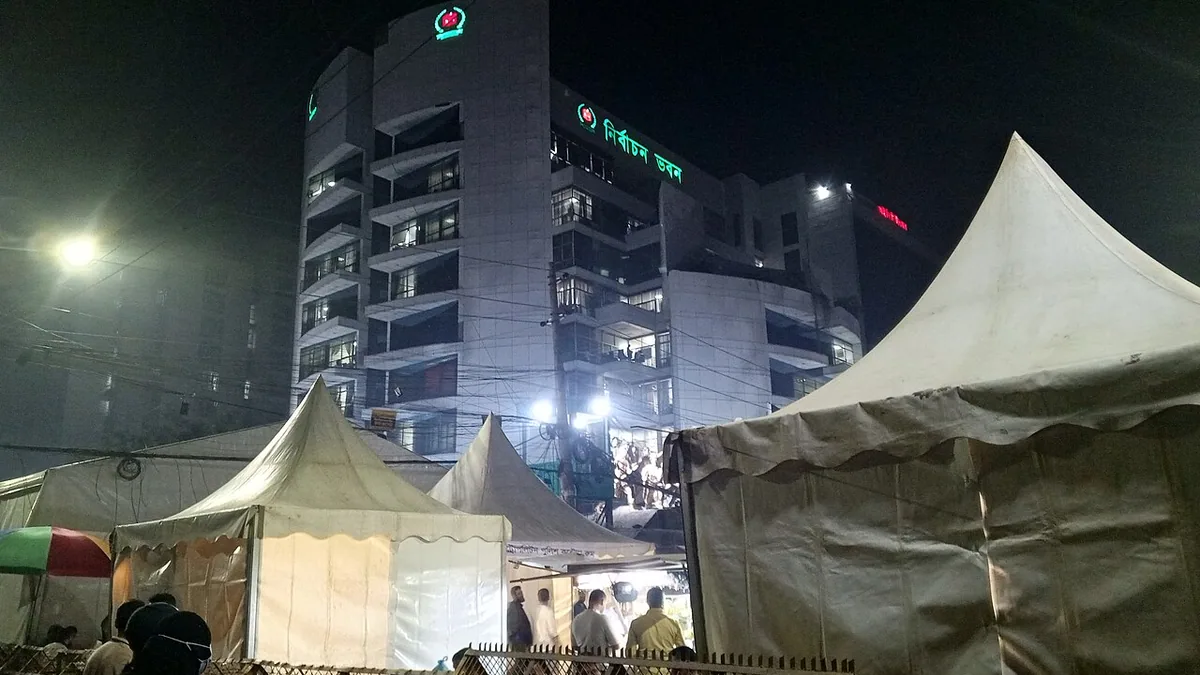
Introduction
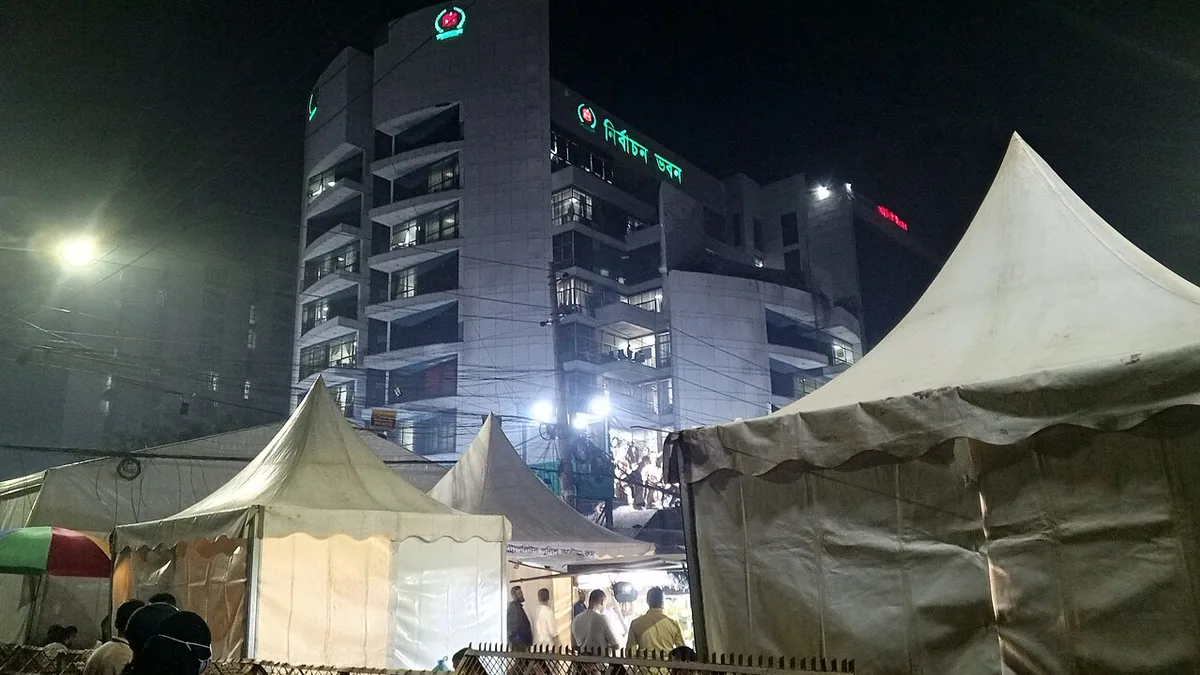
The Bangladesh Election Commission (EC) is an independent and vital constitutional body that oversees and conducts all elections in the country, acting as a safeguard for democracy. The formation, powers, and functions of the commission are outlined in Part VII of the Constitution of Bangladesh, specifically from Articles 118 to 126. It also serves as the central agency for citizen identity registration and management in Bangladesh. Readers can refer to How to register as a new voter and get your NID in Bangladesh for registration guidance. For further details, the official website (https://www.ecs.gov.bd) can be visited.
Quick Facts
| Institution | Bangladesh Election Commission (EC) |
|---|---|
| Type | Independent Constitutional Body |
| Head | Chief Election Commissioner (CEC) |
| Current CEC | A. M. M. Nasir Uddin (Appointed: 21 November 2024) |
| Legal Basis | Part VII of the Constitution of Bangladesh (Articles 118-126) |
| Headquarters | Agargaon, Dhaka |
Structure and Appointments
According to Article 118 of the Constitution, the Election Commission consists of a Chief Election Commissioner and no more than four other election commissioners, who are appointed by the President. When the commission consists of multiple members, the Chief Election Commissioner acts as its chairman. The term of office for an election commissioner is five years from the date of assuming office. A. M. M. Nasir Uddin was appointed as the Chief Election Commissioner on 21 November 2024. Other commissioners appointed on the same date include Begum Tahmida Ahmed, Md. Anwarul Islam Sarkar, and Brigadier General Abul Fazal Md. Sanaullah (Retd.). Additionally, Akhter Ahmed joined the Election Commission Secretariat as Senior Secretary on 5 December 2024.
Powers and Functions
Under Article 119 of the Constitution, the superintendence, direction, and control of the preparation of electoral rolls for presidential and parliamentary elections, and the conduct of such elections, vest in the Election Commission. Its core duties include holding presidential and parliamentary elections, demarcating constituencies for parliamentary elections, and preparing voter rolls. The commission also registers political parties, investigates their finances and donor lists, and possesses quasi-judicial powers to investigate election law violations. Furthermore, it has the authority to prohibit the publication of opinion polls or exit polls during elections. Article 126 of the Constitution mandates all executive authorities to assist the commission in discharging its functions.
Field Administration and Secretariat
The operations of the Election Commission extend nationwide through a structured field administration alongside its central secretariat located in Agargaon, Dhaka. The secretariat executes the decisions and orders of the commission. The field-level hierarchy includes Regional Election Offices, District Election Offices, Upazila Election Offices, and Thana Election Offices. Regional offices coordinate overall activities, district offices manage voter lists and election administration, and upazila/thana offices connect directly with voters at the grassroots level to ensure smooth execution of electoral duties.
Frequently Asked Questions
What is the Bangladesh Election Commission?
It is an independent constitutional body responsible for supervising, directing, and conducting all elections in Bangladesh.
Who appoints the Chief Election Commissioner?
The President of Bangladesh appoints the Chief Election Commissioner and other election commissioners in accordance with the constitution.
What are the field-level offices of the Election Commission?
The field-level structure consists of regional, district, upazila, and থানা (thana) election offices across the country.