What is the Sundarbans
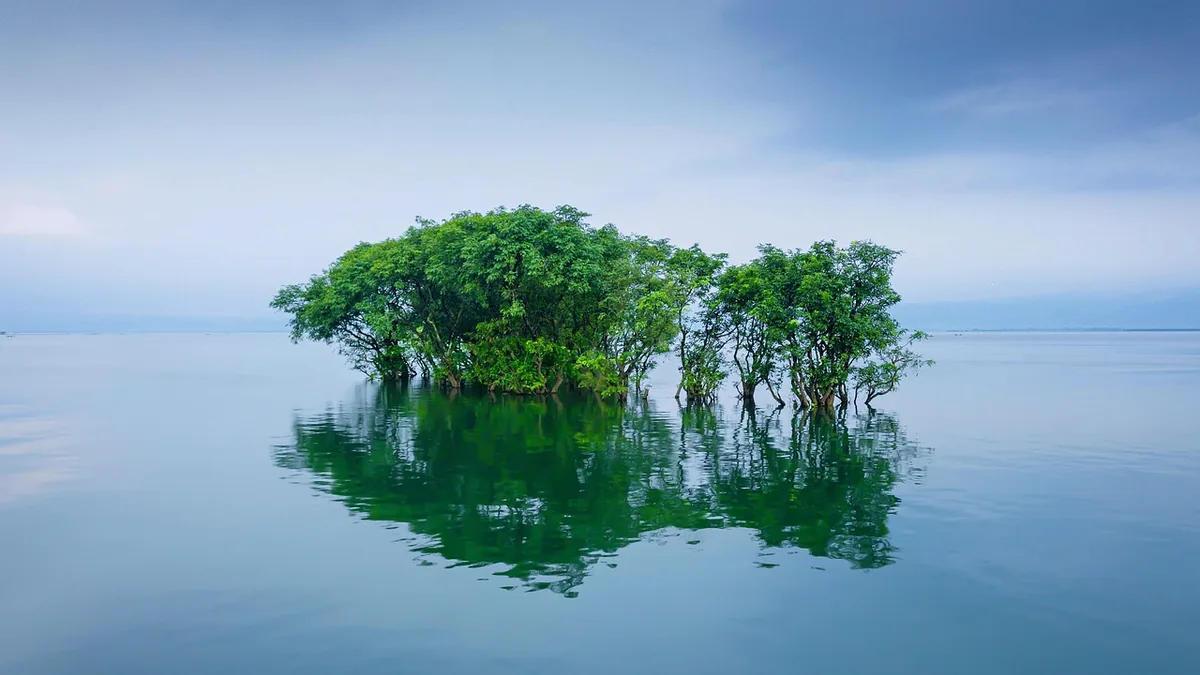
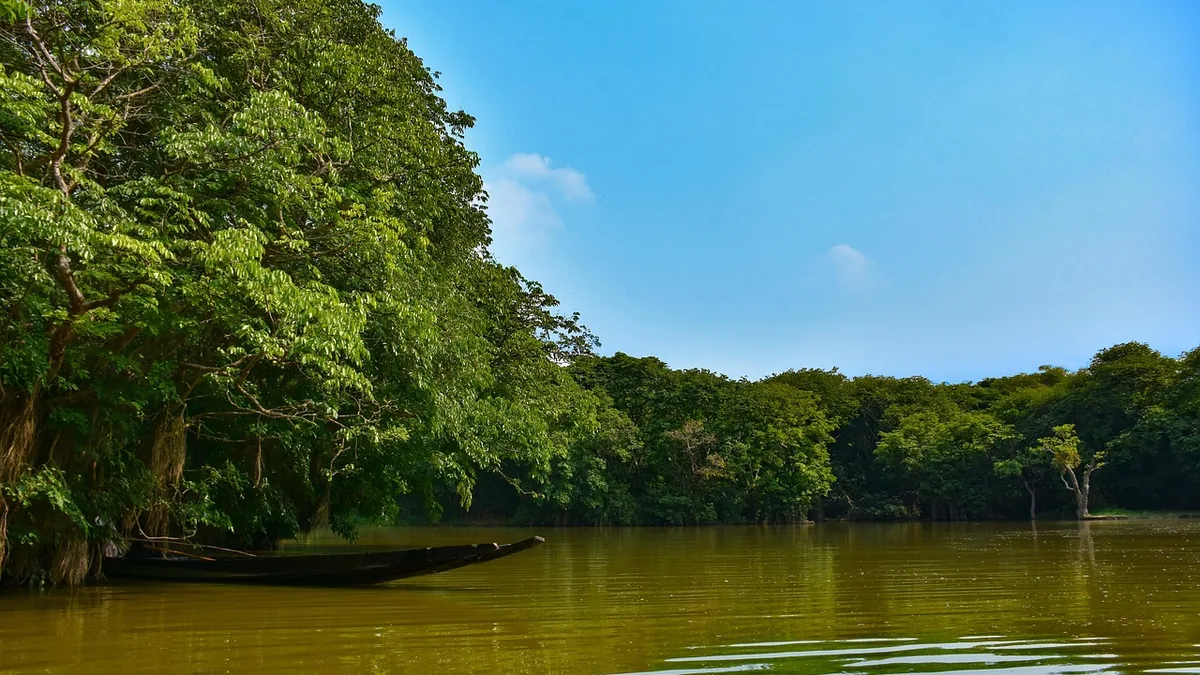
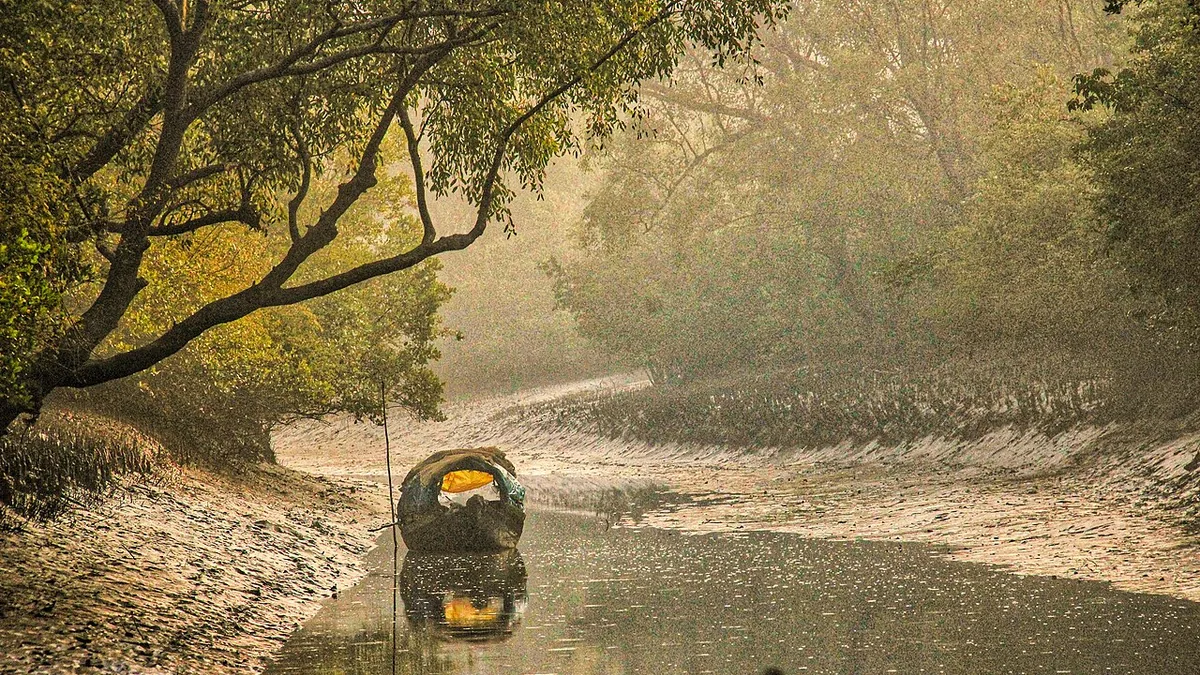
The Sundarbans is a vast mangrove forest area located in the coastal region of the Bay of Bengal, formed by the delta of the Ganges, Brahmaputra, and Meghna rivers. A significant portion of this unique ecosystem lies within Bangladesh. Known literally as the "beautiful forest," it is globally renowned for its rich biodiversity and vital ecological functions.
Location and Size
Spanning across an area of approximately 10,277 square kilometers as noted in reference materials, the Sundarbans covers a major share in Bangladesh's Khulna Division, while the remaining part extends into India's West Bengal. The landscape is an intricate network of tidal waterways, mudflats, and small islands that make the forest accessible largely by boat.
History and Background
Human history and settlement in the Sundarbans trace back centuries, including periods from the Mauryan and Mughal eras. Systematic forest management began during the British period when large portions were declared reserved forests in the late 19th century and placed under the Forest Department, establishing administrative headquarters in Khulna.
Wildlife and Biodiversity
The Sundarbans is globally famous as the natural habitat of the endangered Royal Bengal Tiger. In addition to tigers, the forest supports a rich array of wildlife, including various species of birds, spotted deer, crocodiles, and fish. Conservation efforts frequently involve regional and international cooperation to protect endangered species inhabiting the delta.
Importance for Bangladesh
For Bangladesh, the Sundarbans acts as a natural shield against catastrophic cyclones, storm surges, and coastal erosion originating from the Bay of Bengal. It protects millions of coastal residents and supports local livelihoods, while also holding immense ecological and climatic significance.
Key Facts
- Recognized as the world's largest contiguous mangrove forest.
- Primary natural habitat of the Royal Bengal Tiger.
- Enlisted as a UNESCO World Heritage Site.
- Serves as a crucial natural barrier against cyclones and coastal flooding.
What to Watch Next
Ongoing monitoring will focus on the impacts of climate change, rising sea levels, increased salinity, and industrial or infrastructural pressures near the forest boundaries. Readers should follow official updates and environmental reports for current developments regarding mangrove conservation and regional climate policies.
For related environmental updates, you may check Bangladesh Weather & Dhaka Air Quality Today.