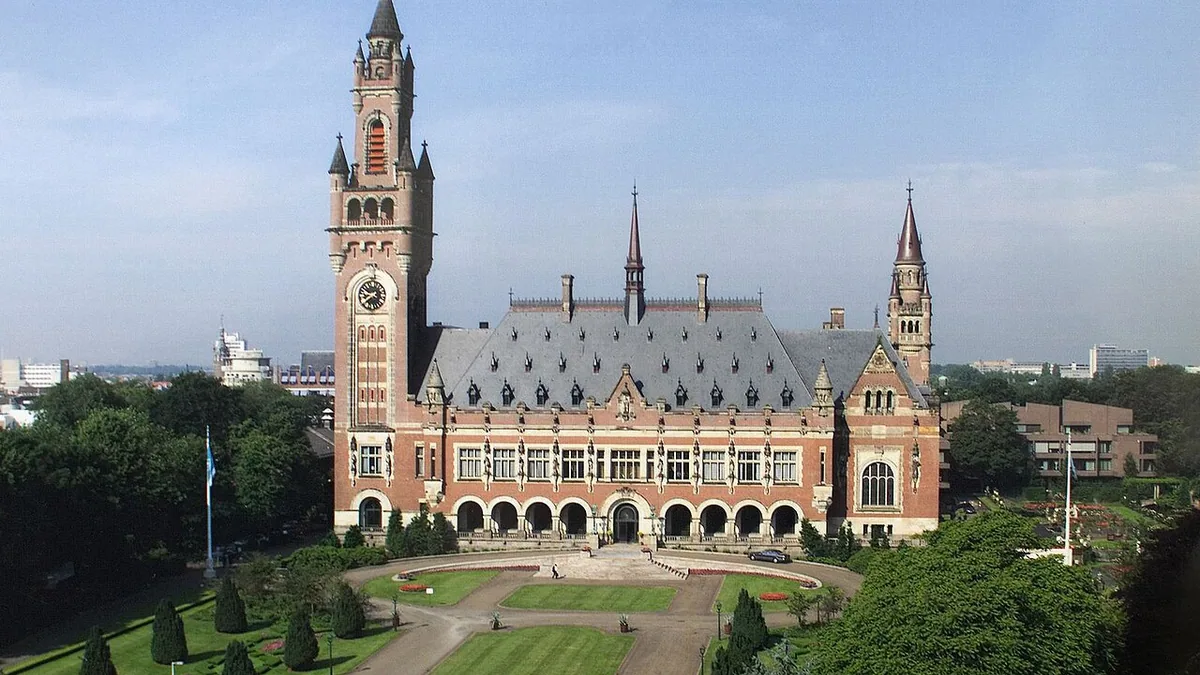
The recent judgment by the International Court of Justice (ICJ) regarding the Rohingya genocide has been described as a landmark legal development. For the first time in history, the court has held a state responsible for committing genocide, marking a significant departure from previous cases involving Bosnia and Herzegovina and Croatia against Serbia, which failed to establish genocide due to insufficient evidence.
Legal observers and commentators note that this ruling is not only a triumph for the Rohingya population and the Gambia, but also a victory for international law and human rights.
Amid widespread welcoming of the judgment from the host nation, a member of parliament urged that the verdict should be translated into a practical roadmap for the repatriation of the Rohingya. However, caution was also voiced that external actors are unlikely to resolve the crisis on behalf of Bangladesh, necessitating self-reliant and strategic action.