What is the Rohingya Crisis?
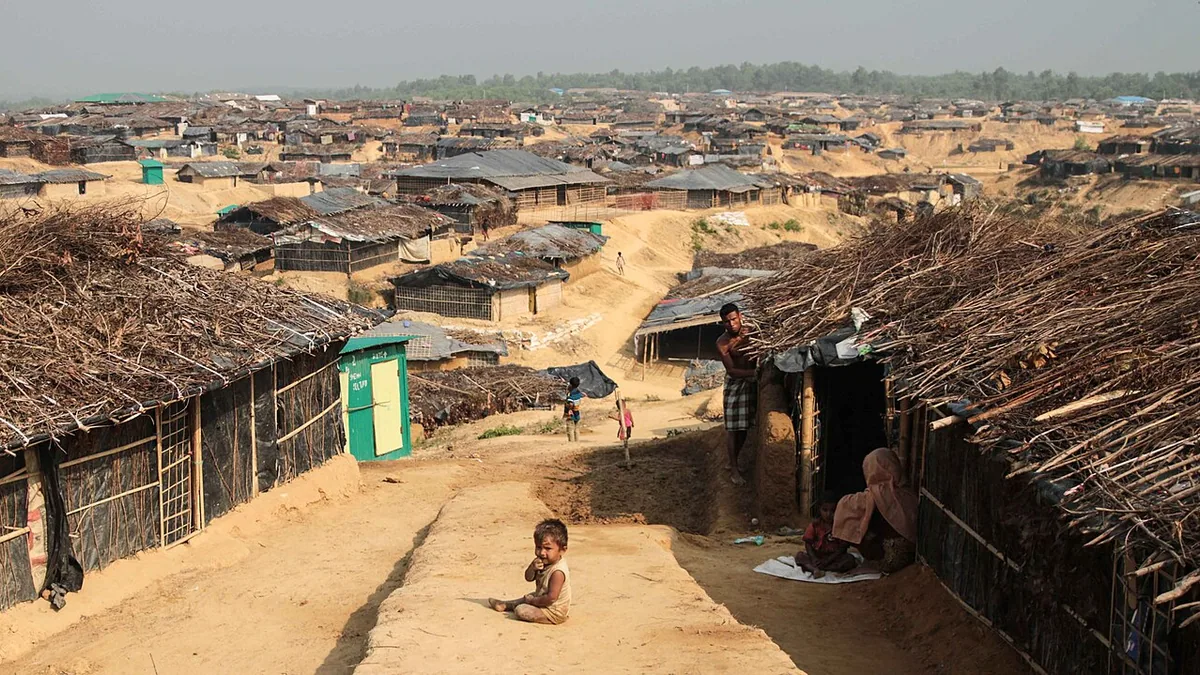
The Rohingya refugee crisis is one of the world's most severe humanitarian emergencies. The Rohingya, a Muslim minority group from Myanmar's Rakhine State, have faced decades of ethnic and religious persecution. Following a surge of violence in August 2017, hundreds of thousands of Rohingya fled across the border into Bangladesh, creating massive settlements in the Cox's Bazar district.
Background and History
While the Rohingya have centuries-old roots in Myanmar, successive governments have denied them citizenship, labeling them as illegal immigrants from Bangladesh. The 1982 Citizenship Law formally rendered an estimated hundreds of thousands of people stateless. Major waves of displacement occurred in 1978, the early 1990s, and most notably in 2017, when military operations forced massive numbers to cross into Bangladesh to escape widespread violence and human rights violations.
Cox's Bazar Camps and Bhasan Char
The majority of refugees reside in densely populated camps in Ukhiya and Teknaf, Cox's Bazar. Overcrowding has placed severe strain on local infrastructure, basic services, and environmental resources. To alleviate congestion in the mainland camps, the government of Bangladesh undertook a relocation initiative to move volunteer refugees to Bhasan Char, an island in the Bay of Bengal equipped with housing and facilities managed by the Bangladesh Navy.
Aid and International Response
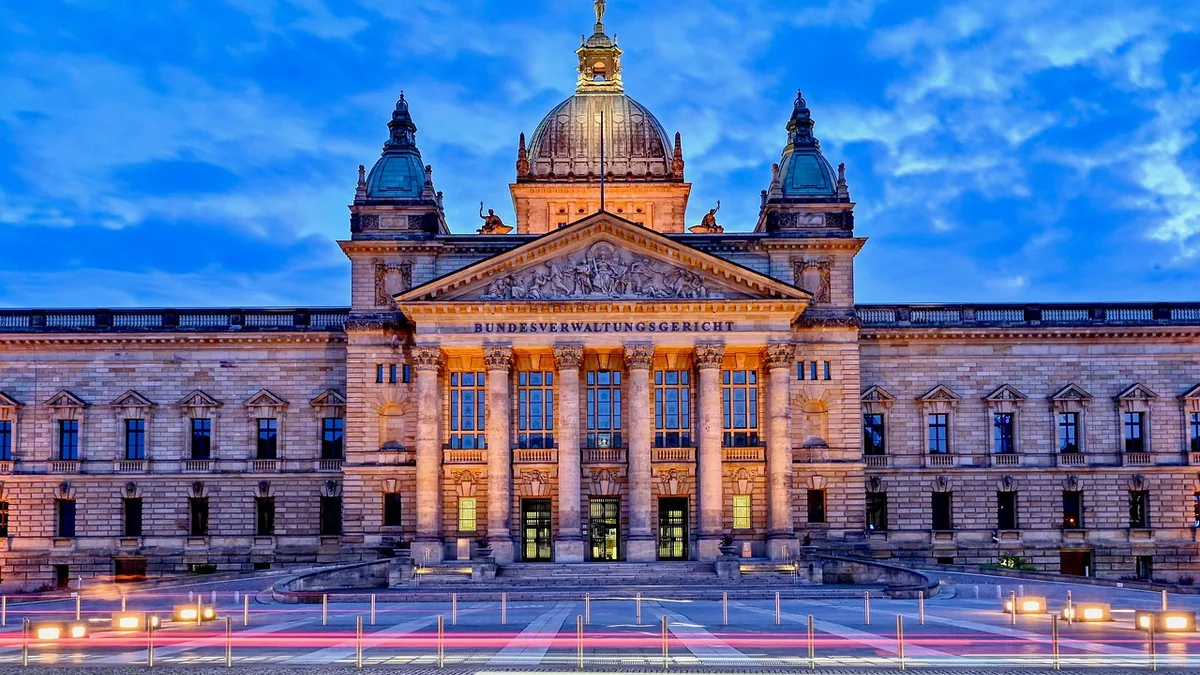
Managing the large refugee population has required substantial support from international donors, the United Nations, and local and global humanitarian organizations. Funding covers crucial sectors including healthcare, education, water, sanitation, and disaster risk management. The World Bank and various agencies have provided financial and logistical backing to help Bangladesh sustain the humanitarian response, while international courts and diplomatic forums continue to address accountability and the framework for future solutions.
Key Facts
- The Rohingya are a forcibly displaced Muslim minority from Myanmar's Rakhine State.
- A major influx occurred after violence escalated on 25 August 2017.
- The primary refugee settlements are located in Cox's Bazar (Ukhiya and Teknaf).
- The Bangladesh government has relocated a portion of the refugee population to Bhasan Char to ease overcrowding.
- Ensuring sustainable repatriation and continuous humanitarian funding remain primary challenges.
Related on 24khobor:
What to Watch Next
The eventual resolution of the crisis hinges on political developments in Myanmar and conditions that would allow safe, voluntary, and dignified repatriation. Observers continue to monitor international legal proceedings, funding pledges from donor countries, and regional diplomatic efforts. Readers should consult official government portals and international agencies for the latest updates and verified statistics.