Who this page is for
This guide is for anyone in Bangladesh—residents, visitors, students, drivers—who may need urgent help from the police, fire service or an ambulance. It explains what the national emergency number 999 is used for, what to prepare before dialling, what to say on the call, and what to do when the call does not go smoothly. It is not a substitute for local emergency planning: services, rules and helpline details change over time, so confirm the current position with the official website or the nearest office.
What 999 is for
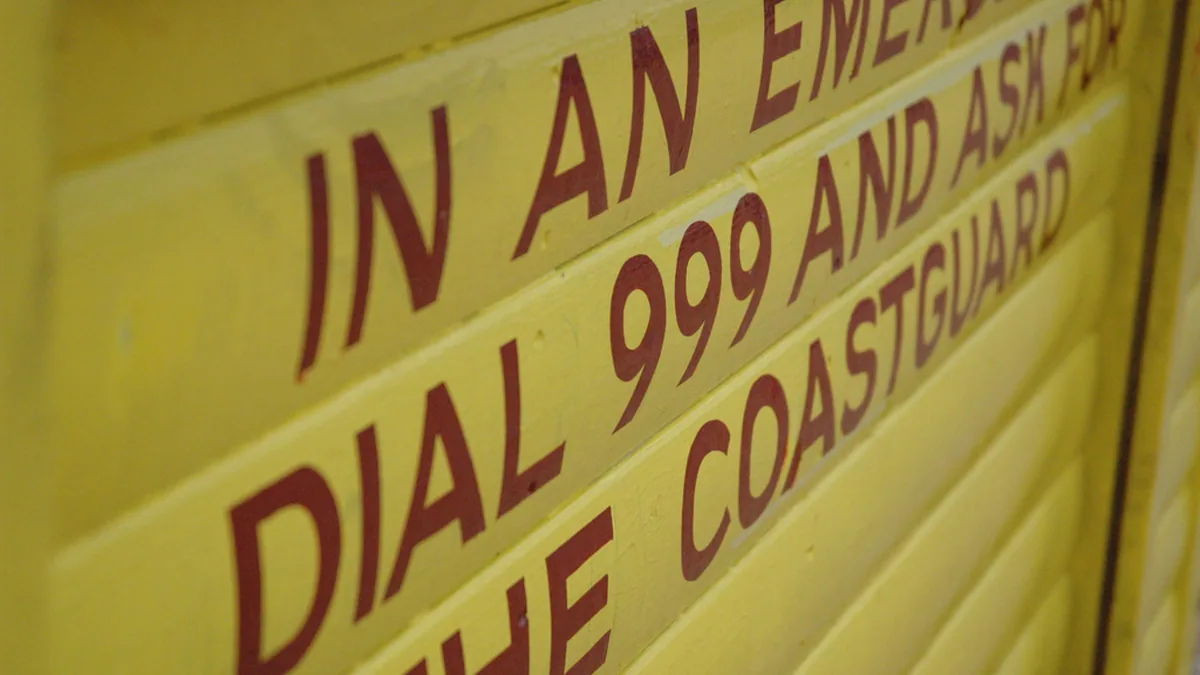
In Bangladesh, 999 is the national emergency number. Dialling it connects the caller to emergency services—mainly police, fire service and ambulance. It should be used only when something needs immediate attention: a fire, a road crash, a serious crime in progress, a burglary, an assault, a person who has collapsed, or someone trapped or in danger. Non-urgent matters—asking for general information, tracking a case, or discussing an old dispute—belong elsewhere; the local police station or the relevant office is the right place for those. Keeping the emergency line busy for routine questions can delay help to someone in real danger.
What you need before you call
An emergency call needs no paperwork, no application and no payment. What it does need is a few details in your head:
- The exact location: area, road name, village or ward, union or thana, district
- The nearest landmark—a school, mosque, market, bridge or shop—that a responder can recognise
- What has happened: fire, road accident, theft, fight, sudden illness or something else
- How many people are injured or trapped, and how serious they seem
- Your own phone number, in case the line drops and a call-back is needed
- Any further dangers nearby, such as gas, live electric wires, or a vehicle still in the road
Step by step: making the call
- Stay as calm as you can and dial 999 once. Let it ring; avoid hanging up and redialling repeatedly.
- When you get through, give the location first, then the problem. Calls can drop, and the location is the most valuable thing you can pass on quickly.
- Say which service you need—police, fire service or ambulance. If you are unsure, describe the situation and let the operator decide where to route the call.
- Speak slowly and simply. Report what you can see rather than what you assume.
- Answer the operator's questions and follow the instructions given. If someone is injured, do not move them unless there is an immediate danger nearby; ask the operator first.
- Stay on the line until the operator ends the call. Afterwards, keep your phone free so responders can call back.
- If it is safe, send someone to the road or main entrance to guide the arriving vehicle or team.
Cost and response time
Emergency calls to 999 are free to the caller. How quickly help arrives depends on distance, traffic, road conditions and how busy the services are at that moment, so no fixed response time can be promised. Staying available on the phone is more useful than calling repeatedly.
Where to confirm details
The national emergency service publishes guidance on its official website, including what each service covers and any updated instructions. If you are unsure about a procedure, check the website or ask at your nearest police station or fire service station. Rules and arrangements can change, so do not rely on what you half-remember or what someone once told you.
Common problems and useful tips
- If the call drops, dial again and repeat the location first.
- If your mobile network is failing, ask a bystander with another network to try.
- If you cannot speak safely, do not cut the line: sounds, tapping or breathing can still signal that help is needed, and the operator may guide you.
- Teach children what 999 means and keep phones locked; accidental calls waste time that someone else may need.
- Do not make hoax or prank calls. Emergency services in many countries record and follow up such calls, and they block help from people in genuine distress.
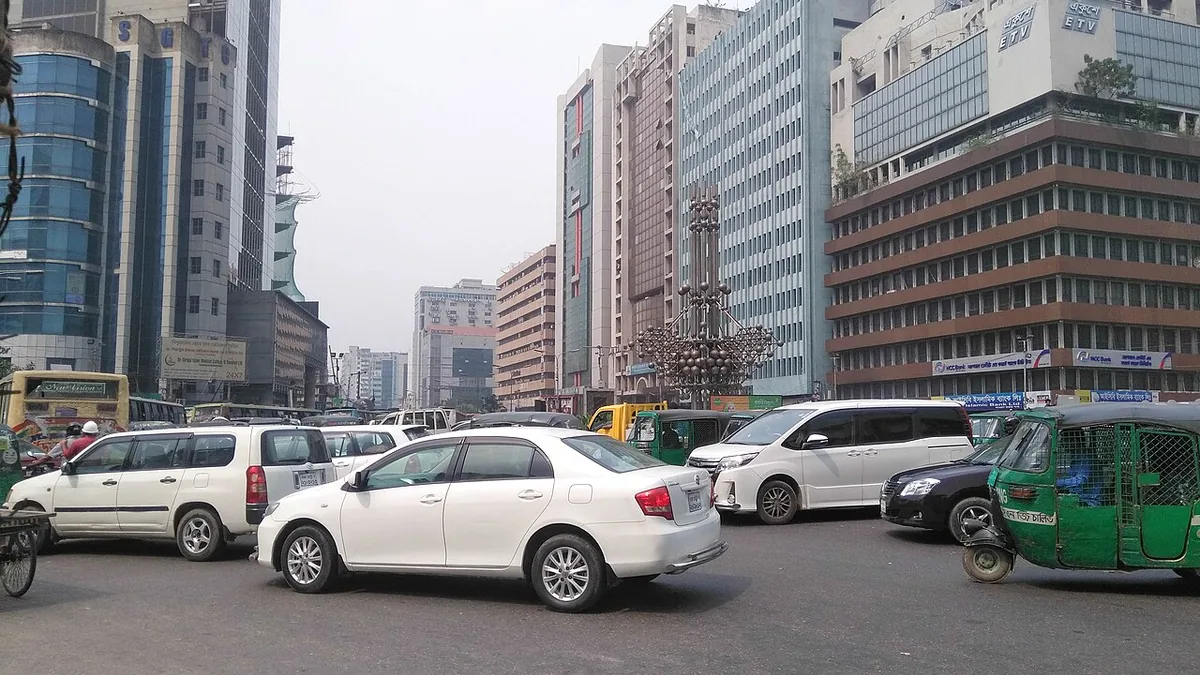
- In a crowd or traffic jam, describe the spot relative to a known crossing, bridge or building rather than street numbers alone.
- Keep a small written note of your home and workplace addresses with landmarks, and of one or two neighbours' phone numbers.
Related on 24khobor:
About other helplines
Bangladesh also operates separate helplines for matters involving children, women and health advice. Their numbers, hours and the kind of help they offer can change, and they are not interchangeable with 999. Rather than relying on a number heard second-hand, confirm the current details from the official website or the responsible office before you need them.
In any emergency, the essentials are the same: stay calm, say where you are, and keep the line open.