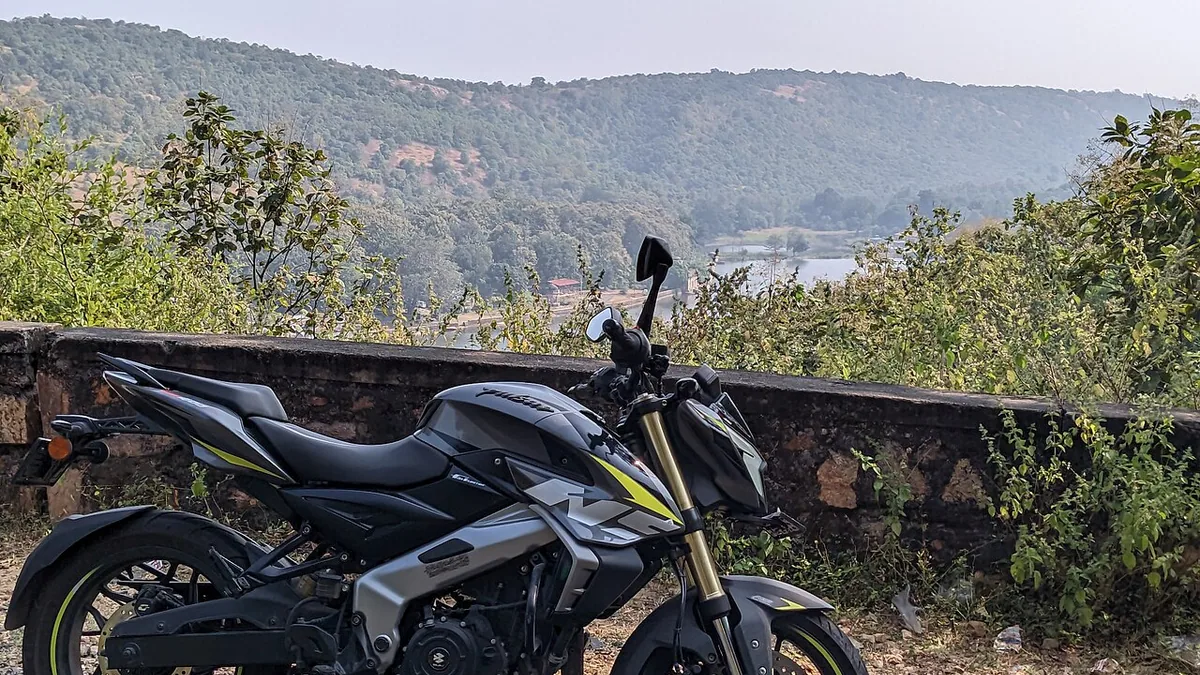
The Bajaj Pulsar 150 has occupied a legendary status in the South Asian motorcycle market since its inception, and its footprint in Bangladesh is equally formidable. For over two decades, this machine has served daily commuters, long-distance riders, and young enthusiasts alike. On paper, it bridges the gap between fuel-efficient utility bikes and aggressive performance machines, making it a ubiquitous sight on Bangladeshi roads from Dhaka's chaotic traffic to remote rural highways.
Targeting practical riders who refuse to compromise on a spirited ride, the Pulsar 150 relies on a time-tested formula. It combines a muscular fuel tank design, an upright commuter-friendly ergonomics layout, and a robust engine architecture. As buyers navigate fluctuating fuel costs and rough road conditions, understanding the current market standing, pricing, and everyday ownership realities of the Pulsar 150 remains crucial for making a sound purchasing decision in Bangladesh.
Key Specifications at a Glance
| Feature | Details |
|---|---|
| Engine Type | 4-stroke, 2-valve, DTS-i, air-cooled |
| Displacement | 149.5 cc |
| Max Power | 14.09 HP @ 8,500 rpm (approx.) |
| Max Torque | 13.25 Nm @ 6,500 rpm (approx.) |
| Transmission | 5-speed constant mesh |
| Starting Method | Electric and Kick Start |
| Brakes (Front / Rear) | Disc (Twin Disc / Single Disc variants available) |
| Suspension (Front / Rear) | Telescopic forks / Nitrox gas-filled shock absorbers |
| Fuel Tank Capacity | 15 Litres |
| Approx. Price in Bangladesh | ৳1,90,000 – ৳2,25,000 (approx.) |

Design, Ergonomics & Build Quality
The visual identity of the Bajaj Pulsar 150 is instantly recognizable. Over successive generations, Bajaj has refined its stance without losing the core muscular silhouette. The wolf-eye headlamp setup, distinct tank scoops, and split or single-seat configurations give it a commanding road presence. The build quality utilizes heavy-gauge steel framing and sturdy body panels designed to absorb the rigors of poorly maintained asphalt and unpaved rural tracks common across Bangladesh.
Ergonomics prioritize an upright, stress-free riding posture. The elevated handlebar positioning combined with neutrally placed footpegs prevents lower back and wrist strain during long hours navigating dense city congestion. The seat cushioning strikes a practical balance between firmness for highway stability and softness for daily commuting. Furthermore, the ground clearance is well-calibrated to clear typical speed breakers and road irregularities without scraping the underbelly.
Engine, Ride Quality & Handling
At the heart of the Pulsar 150 lies the iconic Digital Twin Spark Ignition (DTS-i) engine. Displacing 149.5cc, the air-cooled powerplant produces competitive power figures on paper, translating into eager low-end and mid-range pull. This power delivery profile allows riders to easily maneuver through tight traffic gaps and execute quick overtaking moves on highways without constantly shifting gears.
Ride quality is managed by conventional telescopic front forks paired with rear Nitrox gas-filled shock absorbers. This suspension setup successfully absorbs high-frequency vibrations and sharp bumps. Handling is nimble yet stable, aided by a balanced wheelbase that instills confidence during cornering. While high-revv vibrations can creep into the handlebars and footpegs, the overall mechanical composure remains reassuringly predictable for riders of all experience levels.

City Traffic vs Highway Touring in Bangladesh
Navigating the relentless stop-and-go traffic of Dhaka or Chittagong requires a machine that remains manageable and cool under pressure. The Pulsar 150 excels in these urban environments due to its light clutch pull, responsive throttle response, and slim profile that slips through narrow gaps. The engine cooling manages tropical heat and prolonged idling reasonably well, though riders should monitor oil changes strictly during peak summer months.
When shifting to inter-city highways, the bike maintains steady cruising speeds without feeling strained. It holds a stable line against crosswinds from large trucks and buses. However, extended cruising above 90 km/h reveals some engine stress and mild fatigue, indicating that while it can tour across districts comfortably, it is primarily optimized as an agile all-rounder rather than a pure highway cruiser.
Mileage, Fuel / Charging Cost & Maintenance in BDT
Fuel economy remains one of the strongest arguments for owning a Pulsar 150 in Bangladesh. On paper and according to owner reports, the bike delivers an average mileage ranging between 42 km/l to 48 km/l depending on riding habits and maintenance. In monetary terms, with local fuel prices, daily commuting costs remain remarkably manageable for office-goers and students alike.
Maintenance overhead is exceptionally low due to widespread parts availability. Genuine and aftermarket spare parts are stocked by almost every local mechanic across Bangladesh, minimizing downtime. Routine servicing—including engine oil changes, filter cleaning, and chain adjustments—costs very little in BDT, ensuring that long-term ownership expenses do not strain the owner's budget.
Safety Features, Braking & Spare Parts Availability
Stopping power is handled by disc-brake configurations at the front, with options for either a rear disc or drum brake depending on the chosen variant (Single Disc vs Twin Disc). While advanced safety suites like dual-channel ABS are absent, the braking system offers adequate bite and progression for typical speeds. Riders must exercise defensive driving on wet or sandy roads where locking wheels can occur.
Spare parts availability is arguably the biggest logistical advantage of the Pulsar lineup in Bangladesh. Unlike niche imported brands that require weeks of waiting for imported components, Bajaj parts are abundantly available in every district bazaar. This ubiquity ensures that repairs are fast, transparent, and economical, giving peace of mind to budget-conscious buyers.
Price in Bangladesh, Variants & Rival Comparison
Official pricing for the Bajaj Pulsar 150 ranges approximately between ৳1,90,000 and ৳2,25,000 in Bangladesh, varying by authorized dealer promotions, registration costs, and the chosen variant (Single Disc or Twin Disc). This competitive positioning makes it an accessible entry point into the premium commuter segment.
| Model | Standout Feature | Approx. Price (BDT) |
|---|---|---|
| Bajaj Pulsar 150 | Legendary DTS-i engine, widespread parts | ৳1,90,000 – ৳2,25,000 |
| TVS Apache RTR 160 | Aggressive racing stance, dual disc | ৳1,85,000 – ৳2,15,000 |
| Yamaha FZ-S Fi V2 | Smooth fuel-injected engine, chunky styling | ৳2,30,000 – ৳2,60,000 |
| Hero Hunk 150 | Sturdy build, comfortable commuter ride | ৳1,80,000 – ৳2,05,000 |
Final Verdict: Should You Buy It in Bangladesh?
The Bajaj Pulsar 150 endures as a sensible, battle-tested choice for Bangladeshi riders. Buy it if you need a dependable, fuel-efficient 150cc motorcycle with inexpensive maintenance, readily available spare parts, and a strong resale value that protects your investment over time.
Skip it if you demand cutting-edge digital dashboards, modern fuel-injection refinement without carburetor traits, or high-speed racing performance found in newer liquid-cooled alternatives. For the everyday commuter, however, it remains a trusted workhorse.
Related on 24khobor:
How we researched this review
This review was compiled through a rigorous research process analyzing manufacturer specifications, official Bangladeshi distributor pricing, historical evolution data, and published owner feedback across regional automotive forums.