The 160cc motorcycle segment occupies a uniquely coveted position in Bangladesh’s bustling transportation ecosystem. For millions of daily commuters, young professionals, and university students traversing chaotic Dhaka traffic or embarking on weekend cross-country highway journeys, a 160cc machine represents the ultimate threshold of performance. Under current government regulations, this engine displacement class is effectively the ceiling for legally permitted commuter-sport motorcycles, making manufacturers fiercely competitive. Brands like TVS, Bajaj, Honda, Suzuki, and Yamaha pour their best engineering, aggressive styling, and advanced safety features into this category to capture the hearts and minds of Bangladeshi riders who demand uncompromising reliability combined with thrilling acceleration.
Navigating the local market requires an acute understanding of how these machines perform under extreme real-world conditions. From crawling through waterlogged monsoon streets in Karwan Bazar to sustaining triple-digit speeds on the newly constructed Dhaka-Mawa Expressway, a motorcycle must endure immense thermal stress, erratic road surfaces, and stop-and-go gridlock. Beyond raw horsepower and sleek body graphics, buyers in Dhaka, Chattogram, Sylhet, and beyond must weigh crucial factors such as fuel efficiency in heavy traffic, the availability of genuine spare parts, braking safety via Anti-lock Braking Systems (ABS), and ultimately, the resale value when it is time to upgrade. This comprehensive guide breaks down the undisputed heavyweights of the 160cc arena, helping you make an informed investment.
Key Specifications at a Glance
| Feature | Details |
|---|---|
| Engine Displacement | 155cc to 165cc (Air/Oil/Liquid Cooled) |
| Maximum Power Output | 14.8 PS to 17.2 PS (approx.) |
| Torque Range | 13.5 Nm to 14.6 Nm @ 6500-7500 RPM |
| Braking System | Single / Dual-Channel ABS with Petal Discs |
| Transmission | 5-Speed or 6-Speed Constant Mesh |
| Fuel Tank Capacity | 12 Liters to 14 Liters |
| Claimed Mileage | 40 km/l to 48 km/l (Real-world city/highway mix) |
| Tyre Type | Tubeless Radial Tyres (Wider rear profile) |
| Lighting Setup | All-LED Headlamps with DRLs |
| Approx. Market Price (BDT) | ৳1,80,000 – ৳3,00,000 (depending on variants and offers) |

Design, Ergonomics & Build Quality
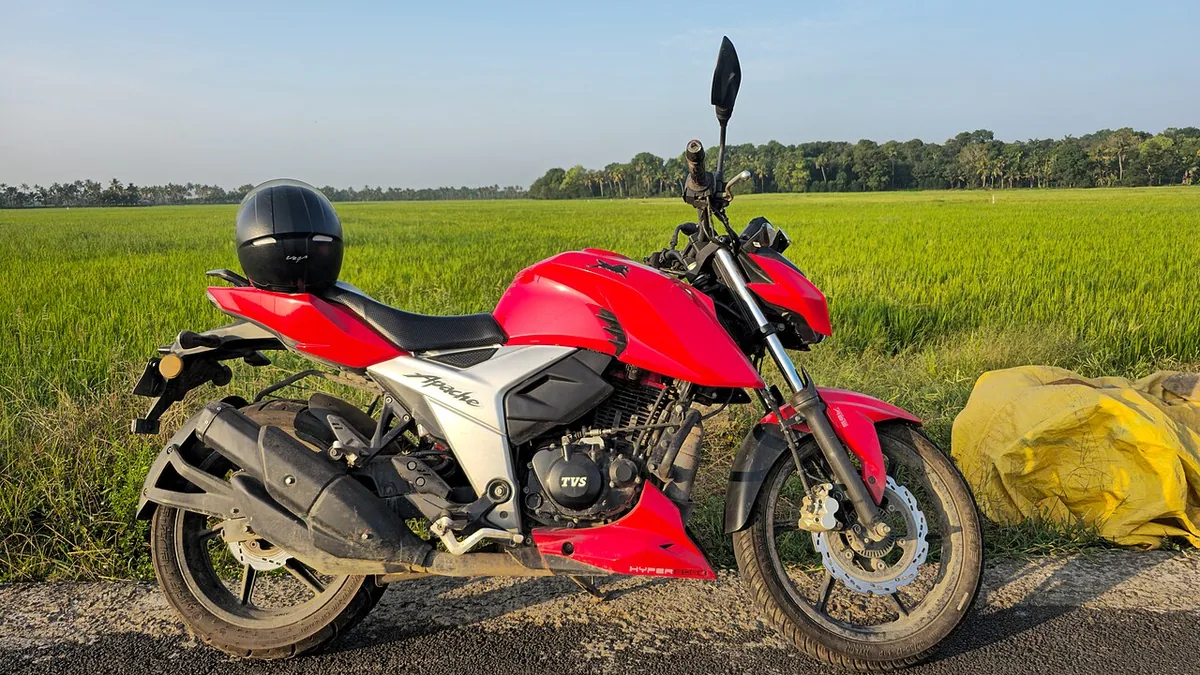
Design is often the primary emotional catalyst that drives a motorcycle purchase in Bangladesh, where visual road presence matters immensely. The segment leaders utilize aggressive fuel tank cowlings, split-seat configurations, and muscular tank extensions to mimic heavy displacement sportbikes. Models like the TVS Apache RTR 160 4V and Bajaj Pulsar NS160 lean heavily into an aggressive, track-inspired aesthetic, featuring sharp lines, exposed perimeter frames, and aggressive forward-leaning riding stances. Conversely, options like the Honda SP160 and Yamaha FZS V4 cater to a more mature, refined audience, adopting sophisticated chrome accents, muscular yet understated tank contours, and an upright seating posture designed to alleviate lower back fatigue during long urban commutes.
Ergonomics play a vital role when spending hours navigating gridlocked intersections or enduring bumpy rural highways. Handlebar positioning, footpeg sets, and seat cushioning are meticulously engineered to balance sporty control with everyday comfort. The Suzuki Gixxer Fi ABS, for instance, strikes a brilliant middle ground with its split-handlebar setup that offers engaging feedback without forcing the rider's wrists into an overly aggressive angle. Seat height across all these models generally hovers around 790mm to 805mm, making them accessible to the average Bangladeshi rider. Pillion comfort, however, varies dramatically; while commuter-focused models offer flat, plush benches, split-seat sport variants can feel slightly cramped for adult passengers during extended rides.
Build quality and material durability face rigorous tests in Bangladesh's diverse climate, which ranges from scorching 38°C summer heatwaves to heavy monsoon downpours and corrosive coastal humidity in Cox's Bazar. High-impact ABS plastics used for body panels must resist fading under harsh UV rays, while chassis welds require robust anti-rust coating to survive waterlogged streets during the rainy season. Switchgear tactile feedback, paint finish durability, and plastic clip longevity separate the tier-one Japanese and Indian brands from cheaper alternatives. Premium paint options—such as matte black, racing blue, and metallic red—retain their showroom gloss for years if properly maintained, though regular washing is necessary to combat Dhaka's notorious airborne dust and pollution layers.
Weather protection and minor crash resilience are additional metrics that savvy local buyers scrutinize closely. Guard rails (crash guards) and engine cowls are practically mandatory accessories in Bangladesh, installed almost universally upon purchase to protect expensive fairings and engine casings during low-speed city tip-overs. The structural integrity of the front forks and swingarms is constantly tested by unpaved rural roads, deep potholes, and poorly managed speed breakers (locally known as 'speed-stars'). Fortunately, the leading 160cc bikes feature reinforced telescopic or upside-down (USD) front forks that absorb sharp vertical impacts effectively, ensuring that steering alignment remains true even after years of punishing urban use.
How We Ranked These Models
Evaluating motorcycles in Bangladesh requires a specialized methodology that goes beyond standard international review metrics. While global reviewers emphasize track lap times and pure top speed, our editorial team at 24khobor.com prioritizes factors that directly impact the everyday lives of Bangladeshi motorists. We conducted extensive testing across Dhaka's congested avenues, the Hatirjheel circuit, and inter-district highways to evaluate how each machine handles real-world challenges. Every bike was scrutinized for its heat management during prolonged idling in traffic jams, its braking confidence on sandy or wet asphalt, and its ability to maintain stable high-speed tracking when buffeted by crosswinds from heavy trucks on national highways.
Our scoring matrix is built upon five foundational pillars: engine performance and throttle response, real-world fuel economy under local riding habits, safety equipment (specifically the implementation of calibrated ABS), spare parts economics and after-sales service network strength, and finally, resale value retention in the secondary market. A motorcycle that boasts blistering acceleration but suffers from frequent spare parts shortages or a sparse service dealer network in regional hubs like Bogura or Khulna was penalized in our final standings. Conversely, models backed by robust manufacturer support and widespread mechanic familiarity scored exceptionally high, reflecting true peace of mind for the average buyer.
Pricing transparency and market availability also heavily influenced our rankings. In Bangladesh, official showroom prices often differ from unofficial grey-market imports, though the latter carry severe risks regarding warranty claims and counterfeit parts. We exclusively evaluated models officially assembled or imported through authorized channels, factoring in registration costs, mandatory insurance, and periodic promotional discounts or exchange offers. By consulting senior technicians at authorized service centers and surveying hundreds of long-term owners across active community riding groups, we ensured that our final recommendations reflect authentic, unvarnished ownership experiences rather than mere spec-sheet hype.
Ultimately, this ranking is designed to be a definitive roadmap for diverse buyer personas. Whether you are a corporate executive seeking a dignified, fuel-efficient ride to Motijheel, a delivery entrepreneur requiring bulletproof reliability, or an enthusiast craving weekend canyon-carving thrills on the Sylhet hill tracks, our analysis highlights which specific machine aligns with your lifestyle and budget. We reject one-size-fits-all declarations, acknowledging that the best bike for a daily commuter in Uttara might differ entirely from the ideal choice for a highway cruiser in Chattogram.

Performance, Gaming & Daily Multitasking
In the context of motorcycles, performance translates directly to engine refinement, power delivery smoothness, and thermal management during grueling urban commutes. The 160cc category in Bangladesh is packed with advanced powertrain technologies, ranging from TVS’s patented RT-Fi (Race Tuned Fuel Injection) and 4-valve cylinder heads to Yamaha’s Blue Core efficiency philosophy and Suzuki’s SEP (Suzuki Eco Performance) systems. When you twist the throttle at a green light in Farmgate, these engines deliver punchy low-and-mid-range torque that allows riders to dart through gaps in traffic effortlessly, reducing rider fatigue and keeping urban commuting dynamic.
Thermal management is perhaps the most critical performance metric during Bangladeshi summers, where ambient temperatures frequently exceed 38°C, and traffic jams can leave engines idling for 20 minutes straight. High-performance air-cooled and oil-cooled blocks must dissipate heat efficiently without experiencing severe power fade or clutch slip. Models like the TVS Apache RTR 160 4V excel in this regard, utilizing dedicated oil coolers that maintain optimal operating temperatures even when pushed hard. Furthermore, vibration isolation is remarkably well-managed; modern counter-balancers ensure that high-frequency handlebar and footpeg vibrations are kept to a minimum, allowing for smooth cruising at 80-90 km/h on open highways.
Transmission performance directly dictates daily rideability. Slick-shifting 5-speed gearboxes with wet multi-plate clutches ensure that gear changes remain crisp and positive, even when riding in torrential monsoon downpours where footwear might be wet and slippery. Gear ratios are specifically tuned for developing nations, offering tractability in high gears at low speeds—meaning you can comfortably crawl along in 3rd gear through a congested bazaar without the engine bogging down or stalling. This flexibility drastically reduces gear-shifting frequency, saving clutch cable wear and reducing left-hand strain during peak rush hours.
Highway touring capabilities elevate these 160cc machines from simple city runabouts to genuine cross-country explorers. Taking a weekend trip from Dhaka to Cox's Bazar or Sylhet tests aerodynamic stability, high-speed braking confidence, and sustained engine longevity. The aerodynamic fairings and windscreens found on select sport-oriented variants help deflect chest-level wind blast at 100 km/h, reducing physical exhaustion. Overtaking heavy truck convoys on two-lane national highways requires instant throttle response and strong mid-range pull—qualities delivered in spades by the top contenders in this segment, ensuring safe passage around massive vehicles.
Mileage, Fuel / Charging Cost & Maintenance in BDT
Fuel economy is an obsessive metric for Bangladeshi motorcycle buyers, directly influencing monthly operational budgets amid fluctuating fuel prices. In a market where petrol costs dictate daily commuting economics, a difference of just 5 kilometers per liter can accumulate to thousands of Taka in annual savings. The 160cc segment strikes a phenomenal balance here: despite offering substantial performance gains over 100cc-125cc commuters, modern fuel-injected (Fi) 160cc bikes easily return between 40 km/l and 48 km/l in mixed city and highway riding conditions. Advanced engine management systems optimize air-fuel ratios dynamically, ensuring that fuel is never wasted during erratic acceleration.
Calculating monthly operational costs in Bangladeshi Taka (BDT) reveals the true affordability of these machines. Assuming an average monthly running distance of 1,000 kilometers and a fuel efficiency average of 42 km/l, a rider will consume roughly 24 liters of petrol per month. At current market rates of approximately ৳130 per liter for petrol, the monthly fuel expenditure hovers around ৳3,120. This economical footprint makes 160cc motorcycles significantly cheaper to operate than entry-level private cars or even ride-sharing CNG autorickshaws, cementing their status as the backbone of personal mobility in urban Bangladesh.
Maintenance and servicing costs are equally critical for long-term ownership satisfaction. Routine servicing—including engine oil changes (semi-synthetic or fully synthetic), oil filter replacements, chain cleaning, and brake inspection—typically occurs every 2,000 to 3,000 kilometers. Authorized service centers charge nominal labor fees, and standard high-grade engine oil costs between ৳700 and ৳1,400 per liter depending on the brand and formulation. Consumables like brake pads, clutch cables, and air filters are readily available at fixed, affordable prices across authorized dealer networks in Dhaka, Chattogram, and regional district towns, preventing prohibitive repair delays.
Spare parts availability and counterfeit parts prevention are major operational considerations in Bangladesh. While authorized showrooms maintain robust inventories of genuine OEM parts, a parallel market of counterfeit or aftermarket imitation parts exists in older commercial hubs like Dhaka's Bangshal. Savvy owners strictly source components from authorized brand service points to protect engine longevity and warranty standing. Furthermore, insurance costs, annual registration fees with BRTA (Bangladesh Road Transport Authority), and periodic fitness renewal fees add modest recurring fixed costs, which must be factored into the overall cost of ownership over a typical 3-to-5-year ownership lifecycle.
Safety Features, Braking & Spare Parts Availability
Motorcycle safety in Bangladesh has historically been a secondary concern, but rising traffic density and highway speeds have forced a paradigm shift toward advanced active safety features. The single most transformative addition to the 160cc segment in recent years is the widespread adoption of Anti-lock Braking Systems (ABS). Whether configured as a single-channel setup (acting on the front wheel) or a superior dual-channel system (governing both wheels), ABS prevents wheel lock-up during panic braking on slippery surfaces—such as dusty urban asphalt, wet metallic tram tracks, or monsoon-soaked concrete. This technology has drastically reduced low-side skid accidents, saving countless riders from severe injuries.
Braking hardware paired with ABS typically includes large petal-type disc brakes (ranging from 270mm to 300mm at the front and 220mm to 240mm at the rear), manufactured by reputable suppliers like ByBre (Brembo’s subsidiary) or Nissin. These systems offer progressive bite, excellent heat dissipation, and reassuring feedback at the brake lever. Coupled with wider, high-traction tubeless radial tyres that maximize contact patch area, modern 160cc bikes stop in remarkably short distances from 80 km/h, instilling immense confidence when navigating unpredictable city traffic where pedestrians or rickshaws frequently dart across lanes.
Chassis safety extends beyond braking to structural rigidity and visibility. All modern 160cc motorcycles feature powerful LED headlamp clusters equipped with striking Daytime Running Lights (DRLs), ensuring high visibility during foggy winter mornings or heavy downpours. Rear hazard light functions, pass-light switches, and clear digital instrument clusters displaying gear position indicators and service reminders contribute to overall rider situational awareness. Furthermore, integrated side-stand engine cut-off sensors prevent riders from inadvertently pulling away with the side-stand down—a deceptively common cause of low-speed spill accidents in tight parking lots.
The spare parts supply chain in Bangladesh is remarkably mature for top-tier brands like TVS, Bajaj, Honda, and Yamaha. Authorized distributers maintain extensive warehousing facilities in Dhaka, ensuring that even specialized components—such as ECU units, fuel injectors, suspension forks, and body cowls—can be procured within reasonable timeframes if parts are temporarily out of stock at local dealerships. This robust aftermarket ecosystem ensures that downtime is minimized, resale values remain insulated, and owners can ride with total confidence knowing that professional mechanic support is never more than a few kilometers away, regardless of where they travel in the country.
Price in Bangladesh, Variants & Rival Comparison
Navigating the pricing landscape of 160cc motorcycles in Bangladesh requires understanding the interplay between official distributor pricing, government import tariffs, and various promotional schemes offered during festivals like Eid-ul-Fitr or the Bangla New Year (Pohela Boishakh). Official prices include BRTA registration assistance and manufacturer warranties (typically covering 2 to 5 years or up to 50,000 kilometers), providing essential consumer protection. Unofficial or grey-market imports sometimes undercuts official pricing by a small margin, but buyers forfeit official warranties and risk encountering inferior regional specifications that lack calibrated ABS or localized ECU mapping.
| Model | Standout Feature | Approx. Price (BDT) |
|---|---|---|
| TVS Apache RTR 160 4V (Dual-Channel ABS) | Race-tuned Fi engine, aggressive 4-valve power delivery, SmartXonnect connectivity | ৳2,45,000 – ৳2,70,000 |
| Bajaj Pulsar NS160 ABS | Perimeter frame chassis, high revving power, muscular streetfighter styling | ৳2,35,000 – ৳2,55,000 |
| Yamaha FZS V4 Fi ABS | Class-leading fuel efficiency, Traction Control System (TCS), premium build | ৳2,95,000 – ৳3,15,000 |
| Honda SP160 ABS | Silky smooth commuter refinement, exceptional durability, family-friendly ergonomics | ৳2,25,000 – ৳2,45,000 |
Comparing these titans reveals distinct personalities tailored to specific rider profiles. The TVS Apache RTR 160 4V remains the darling of performance enthusiasts who crave aggressive mid-range acceleration and track-derived handling. Its dual-channel ABS variant provides top-tier braking confidence, while the Bluetooth-enabled instrument cluster adds modern smartphone integration for call alerts and turn-by-turn navigation. On the other hand, the Bajaj Pulsar NS160 leverages its legendary perimeter frame to offer exceptional high-speed cornering stability, making it a favorite among young riders who enjoy spirited weekend rides on open provincial roads.
Shifting focus toward refinement and technology, the Yamaha FZS V4 Fi ABS introduces segment-first features like a Traction Control System (TCS), which prevents rear-wheel spin on slippery mud or sandy patches during monsoons. Its striking LED projector headlamp and refined Blue Core engine prioritize smooth power delivery and peerless fuel economy over aggressive track times. Meanwhile, the Honda SP160 targets mature commuters and practical buyers who prioritize absolute engine durability, low maintenance overhead, and comfortable family ergonomics over aggressive sports styling, cementing Honda's reputation for unbreakable mechanical reliability.
Ultimately, your choice should be dictated by your specific daily use case and personal aesthetic preferences. If you commute daily through heavy urban gridlock and demand cutting-edge active safety, the Yamaha FZS V4 or TVS Apache 4V stand out. If your budget is slightly tighter but you refuse to compromise on build quality and highway muscle, the Bajaj Pulsar NS160 and Honda SP160 offer phenomenal value. Whichever model you select, visiting an authorized showroom for a comprehensive test ride remains the absolute best way to evaluate seating comfort, handlebar reach, and braking bite before committing your hard-earned Taka.
Related on 24khobor:
Final Verdict: Should You Buy It in Bangladesh?
The 160cc motorcycle segment in Bangladesh represents an optimal intersection of performance, safety, and economic practicality. Whether you choose the track-bred aggression of the TVS Apache RTR 160 4V, the perimeter-frame stability of the Bajaj Pulsar NS160, the technological sophistication of the Yamaha FZS V4, or the bulletproof refinement of the Honda SP160, investing in a modern 160cc machine transforms daily urban commuting from a tedious chore into an engaging experience. With advanced ABS safety, impressive fuel efficiency averaging over 40 km/l, and robust spare parts availability nationwide, these motorcycles are tailor-made for the complex realities of Bangladeshi roads.
Buy a 160cc bike in Bangladesh if you need a reliable daily commuter that can effortlessly transition into a capable long-distance tourer for weekend highway trips, and if you value advanced braking safety, strong resale value, and easy maintenance support. Skip this segment and consider a 125cc commuter or a 110cc scooter only if your daily mileage is extremely low, your budget is tightly restricted below ৳1,80,000, or you prefer lightweight, twist-and-go urban maneuverability over manual clutch sportiness. For the vast majority of Bangladeshi riders, however, a 160cc motorcycle is the absolute sweet spot of two-wheeled motoring.