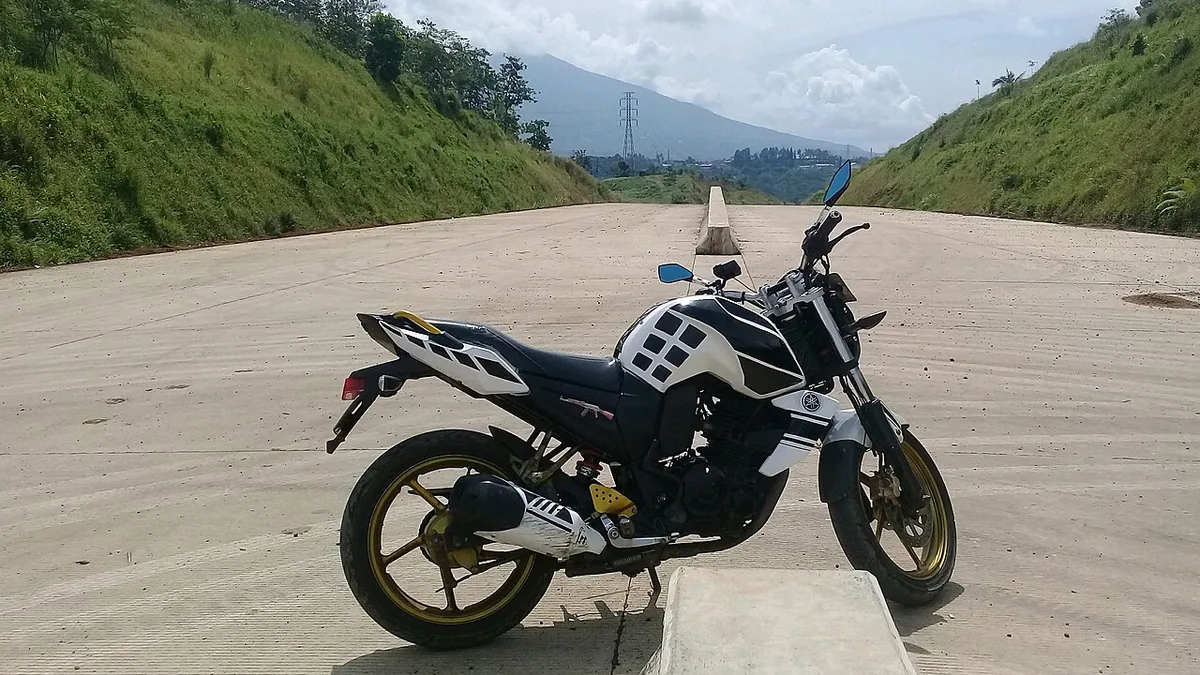
In Bangladesh, the 150cc class is where aspiration meets practicality — big enough to feel like a real motorcycle on the Dhaka–Chattogram highway, small enough to squeeze between a BRTC bus and a CNG auto-rickshaw at Shahbagh. The Yamaha FZS V4 sits precisely at that intersection, and in 2026 it remains one of the most searched two-wheelers on Bangladeshi classifieds and showroom floors alike.
On paper, it is the fourth-generation evolution of the FZ-S formula: a 149cc fuel-injected single, a wide 140-section rear tyre, an upright commuter posture, and now a stack of electronics — traction control and Yamaha's Y-Connect Bluetooth suite — that would have been unthinkable on a 150cc commuter five years ago. Pricing lands at roughly ৳2,50,000 to ৳2,80,000 on-road in Dhaka, depending on dealer and registration.
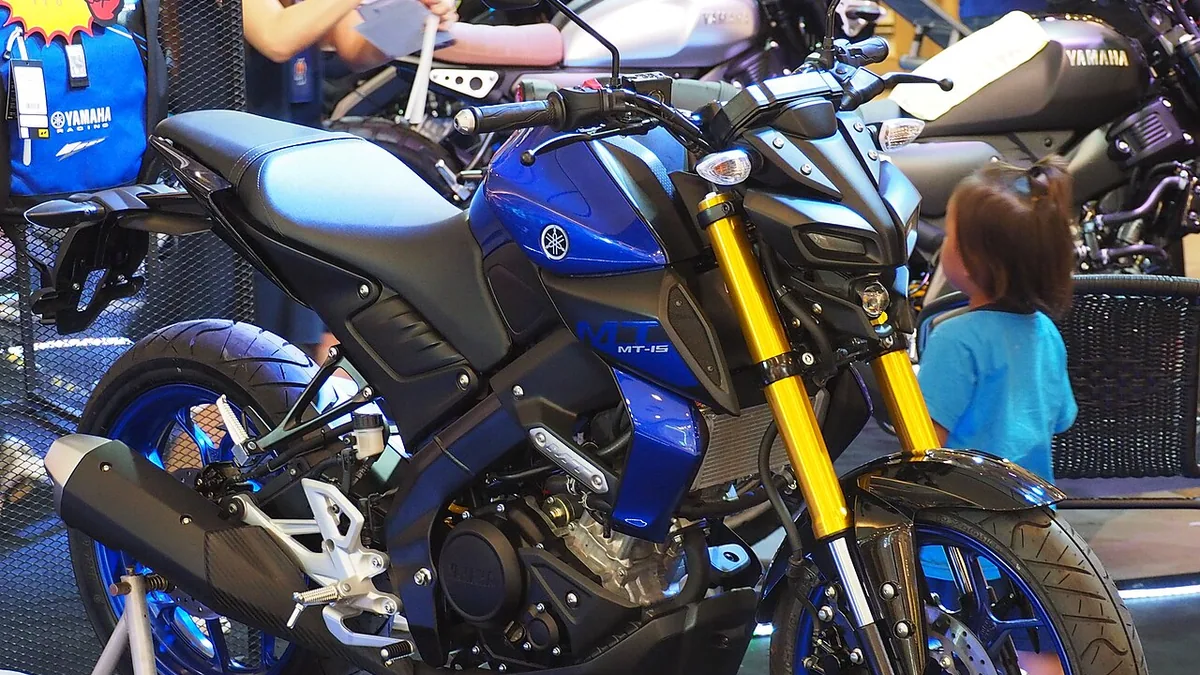
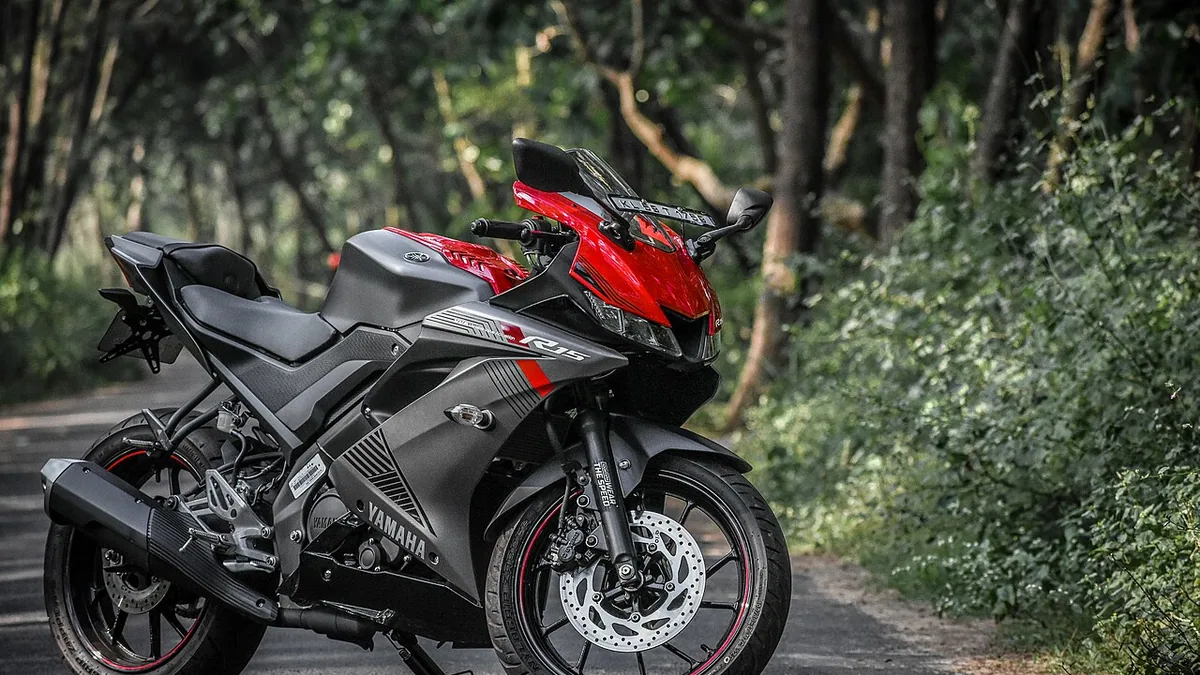
This review is written for the Bangladeshi buyer specifically: monsoon grip, summer heat, load-shedding-free reliability, spare parts at Mirpur or Chawkbazar, and the resale value you can actually expect in three years. If you are cross-shopping the sportier Yamaha MT-15 V2 or the track-focused Yamaha R15 V4, this guide will tell you exactly where the FZS V4 wins and where it loses.
Key Specifications at a Glance
| Engine | 149cc air-cooled, 4-stroke, SOHC, 2-valve, fuel-injected |
|---|---|
| Power / Torque | 12.4 PS @ 7,250 rpm / 13.3 Nm @ 5,500 rpm |
| Transmission | 5-speed constant mesh, wet multi-plate clutch |
| Real-World Mileage | 42–48 km/L city, 48–52 km/L highway |
| Fuel Tank | 13 litres |
| Kerb Weight | Approx. 137 kg |
| Seat Height | 790 mm |
| Suspension | Telescopic fork (front) / 7-step preload monoshock (rear) |
| Brakes | 282 mm front disc, 220 mm rear disc, single-channel ABS |
| Tyres | 100/80-17 front, 140/60-17 rear, tubeless |
| Key Features | Traction control, Y-Connect Bluetooth, LED headlamp, LCD console, side-stand cut-off |
| Price in Bangladesh | ৳2,50,000 – ৳2,80,000 (approx., on-road Dhaka) |
Design, Ergonomics & Build Quality
The FZS V4 carries forward the muscular FZ family silhouette — broad shoulders, a chunky 13-litre tank with knee recesses, and a stubby tail that made the original FZ16 a cult object in Dhaka back in 2009. Panel gaps are tight and the switchgear feels durable, though the plastic quality is a notch below what the MT-15 offers at a similar premium. Paint depth on the matte finishes is decent, but Bangladeshi dust and monsoon grit will dull it quickly without a monthly polish.
Ergonomics are the headline. The 790mm seat height means a 5'6" rider plants both feet flat, and the single-piece seat is genuinely wide and softly padded — a rare thing in this price band, where most rivals fit plank-stiff split seats. The handlebar sits high and wide, the footpegs are neutral, and the resulting posture works equally well for a 45-minute Uttara-to-Motijheel commute and a 200km Cox's Bazar run.
Build-wise, the FZS V4 is a road bike, not a trail bike. There is no meaningful underbody protection and the exposed engine cases will pick up scrapes on the broken stretches of the Dhaka–Mawa approach road. Ground clearance is adequate for speed breakers, but the long rear mudguard and exposed wiring under the seat are worth checking after every monsoon season.
Practical touches deserve a mention: a 5V USB charging port near the console, a hazard-light function, and a side-stand engine cut-off that prevents the classic Bangladesh showroom-day drop. The instrument cluster is a readable LCD rather than a TFT, which is fine for sunlight visibility in Dhaka — no glare issues at noon.
Engine, Ride Quality & Handling
The 149cc air-cooled single is the same basic architecture Yamaha has refined for over a decade. With 12.4 PS and 13.3 Nm, it is not a fast bike, but the fuelling is beautifully smooth — the throttle responds cleanly from 2,000 rpm, and there is enough mid-range torque at 4,000–6,000 rpm to pull a pillion out of a Farmgate bottleneck without downshifting. It is a relaxed engine rather than a rev-happy one.
Ride quality is where the FZS V4 earns its keep in Bangladesh. The telescopic fork and preload-adjustable monoshock are set up softly, soaking up the brick-paved stretches of Old Dhaka and the endless patchwork on the Airport Road. At 137 kg it feels planted rather than flickable, and the wide 140-section rear tyre gives confidence on wet, diesel-stained asphalt during the monsoon.
Handling is neutral and predictable, though the steering is not as sharp as the Yamaha R15M. On the plus side, that stability translates to a bike that does not twitch on gravel or when a bus cuts across your line without indicating. If you want a weekend corner-carver, look elsewhere; if you want a bike that never surprises you at 60 km/h on a broken road, this is it.
City Traffic vs Highway Touring in Bangladesh
In Dhaka traffic, the FZS V4 is close to ideal. The clutch is light, the gearbox slots positively, and first-to-second shifts are short enough to keep up with stop-start traffic on Kazi Nazrul Islam Avenue. Heat management is also reasonable — the air-cooled engine stays comfortable in 38°C summer jams, and there is no radiator fan whirring or coolant to check.
On the highway, things get more nuanced. Cruising at 70–80 km/h is effortless and vibration-free, and the 13-litre tank gives a theoretical range of over 550 km. But push past 90 km/h and the engine feels breathless, with a noticeable buzz through the footpegs. Riders regularly doing Dhaka–Sylhet runs may prefer a 160cc rival or step up to the MT-15 V2.
Pillion comfort is a genuine strength. The long seat and soft suspension mean a passenger stays comfortable for two hours, and the grab rail is properly placed. For a family commuter in Chattogram or Sylhet, that matters more than a spec-sheet horsepower number.
Mileage, Fuel Cost & Maintenance in BDT
Mileage is the FZS V4's strongest card. Real-world figures in Dhaka traffic settle around 42–45 km/L, rising to 48–52 km/L during steady 60 km/h highway cruising. With petrol around ৳125 per litre, a rider covering 1,200 km a month spends roughly ৳3,100–3,600 on fuel — noticeably less than a 160cc rival running in the high-30s.
Service costs are reasonable. Yamaha's authorised distributor ACI Motors has expanded its workshop network across Dhaka, Chattogram, Sylhet and Khulna, and a typical general service with engine oil lands in the ৳1,200–1,800 range. Yamalube semi-synthetic oil changes every 3,000–4,000 km are the norm; valve clearance checks come around 12,000 km.
Consumables are where the numbers matter long-term. The 140-section rear tyre costs ৳6,500–9,000 depending on brand, chain-sprocket sets run ৳3,500–4,500, and brake pads around ৳900–1,400 per end. Genuine Yamaha spares are widely available at Mirpur, Banglabazar and Khatunganj, though grey-market parts are common and quality varies significantly.
Safety Features, Braking & Spare Parts Availability
The safety story is the V4's modern selling point. Single-channel ABS on the 282mm front disc prevents lock-ups on wet Dhaka asphalt, and the added traction control intervenes gently when the rear tyre spins on painted road markings or moss-covered brick surfaces during monsoon. Neither system is intrusive, and both can be left on permanently without annoyance.
Braking performance is progressive rather than aggressive — the front lever has good initial bite and the rear disc adds useful stability under light trail braking. Riders upgrading from a 125cc drum-brake commuter will find it a major confidence jump. The LED headlamp is genuinely bright enough for unlit stretches of the Dhaka–Chattogram highway at night.
Spare parts availability in Bangladesh is solid but not universal. Authorised ACI Motors dealers stock body panels, filters and electricals; independent workshops in Dhaka and Chattogram carry pattern parts at 30–40% lower cost. Crucially, Yamaha's resale value in Bangladesh remains among the strongest in the two-wheeler market, so the FZS V4 holds value far better than equivalent Chinese or Indian budget brands.
Price in Bangladesh, Variants & Rival Comparison
Officially, the Yamaha FZS V4 sells through ACI Motors at roughly ৳2,55,000–৳2,70,000 ex-showroom, with on-road Dhaka registration and insurance pushing it to ৳2,75,000–৳2,80,000. Colour options vary — matte grey, racing blue and dark matte black are the common ones — and dealer stock rotates quickly, so waiting periods of two to four weeks are normal in Dhaka.
The unofficial and reconditioned market is worth understanding. Japanese or Indian reconditioned units can sometimes be found below ৳2,40,000, but they carry no ACI warranty, may have altered documentation, and Bluetooth/Y-Connect features often do not function regionally. For a bike you will keep five years, the official route is almost always the cheaper one in total cost of ownership.
| Model | Standout Feature | Approx. Price (BDT) |
|---|---|---|
| Yamaha FZS V4 | Traction control + Y-Connect + best-in-class mileage | ৳2,50,000 – ৳2,80,000 |
| TVS Apache RTR 160 4V | Highest power-to-weight and ride modes in class | ৳2,30,000 – ৳2,45,000 |
| Suzuki Gixxer 155 | Refined engine and sharp handling | ৳2,40,000 – ৳2,55,000 |
| Bajaj Pulsar N160 | Best value per horsepower with dual-channel ABS | ৳2,25,000 – ৳2,40,000 |
If your budget stretches further and you want a retro-roadster feel, the Royal Enfield Hunter 350 offers a very different experience at a much higher price point.
Final Verdict: Should You Buy It in Bangladesh?
Buy it if you commute 30–60 km daily in Dhaka or Chattogram, want 45 km/L mileage without sacrificing a big-bike stance, and value comfort, traction control, and resale value over raw acceleration. It is also a superb first 150cc for riders upgrading from a 125cc commuter, and the Y-Connect features genuinely help with parking in crowded areas.
Skip it if you regularly ride the highway above 90 km/h, want the sharpest handling in the class, or need dual-channel ABS. Riders with sporting ambitions should seriously consider the Yamaha MT-15 V2 or R15 V4, both of which deliver considerably more performance for a modest price premium.
At ৳2.5–2.8 lakh, the FZS V4 is not the cheapest 150cc in Bangladesh — but it may well be the most sensible. Its combination of proven reliability, strong local parts support, and class-leading fuel economy makes it a rational purchase rather than an emotional one, and in a market where fuel prices only trend upward, that rationality is worth paying for.