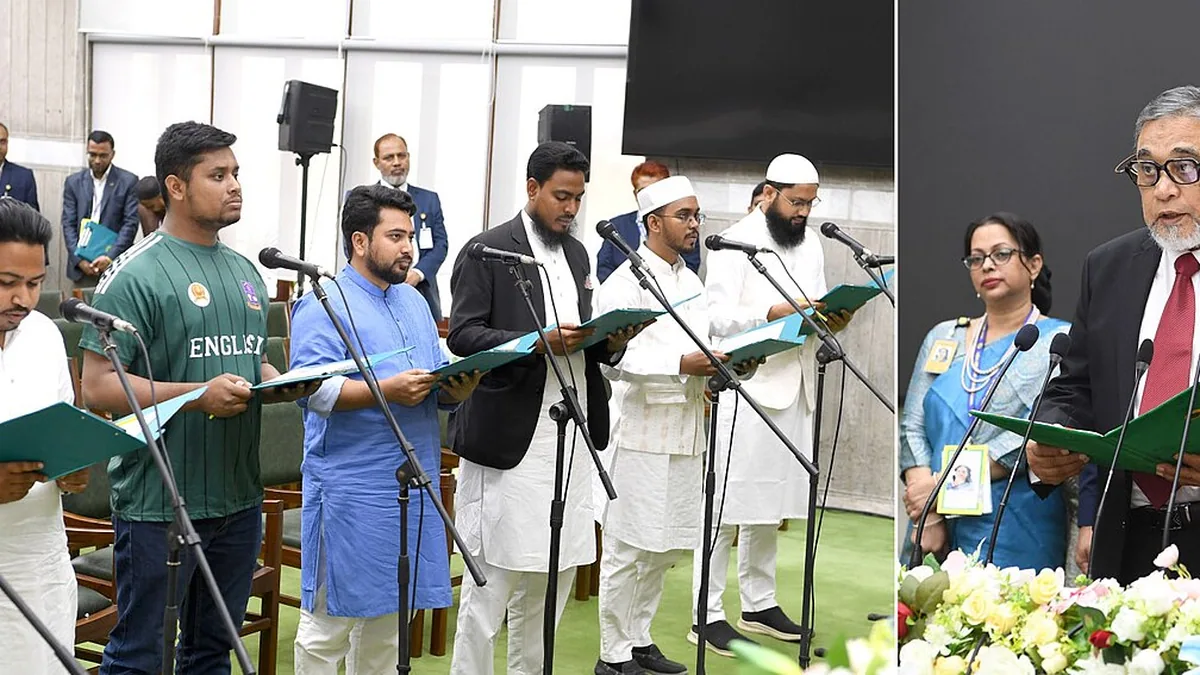
What a parliamentary election in Bangladesh is, in short
Bangladesh is a parliamentary republic with a one-house legislature, the Jatiya Sangsad. A general election fills 350 seats: 300 members are elected directly from single-member constituencies, and 50 seats are reserved for women. Members serve a five-year term. The party or coalition with a majority in the House forms the government, and its leader normally becomes prime minister, while the president is head of state with a largely ceremonial role.
How the system came about
The 1972 Constitution set up a parliamentary republic. In 1975 most executive power shifted to the presidency, leaving parliament and the prime minister with limited authority. The country returned to a parliamentary system in 1991, and the presidency has been largely ceremonial since then. Thirteen general elections have been held since independence in 1971.
The number of reserved seats has changed over time: 15 in 1973, 30 from 1979, 45 in the eighth parliament and 50 in the ninth. In 1996, after the main opposition party boycotted an election, a neutral caretaker government arrangement was introduced through the thirteenth amendment to the Constitution to run the polls.
How voting works, step by step
- Constituencies and candidates. The country is divided into 300 single-member constituencies, each returning one MP. Parties nominate candidates, and independents may also stand.
- The voter list. The Election Commission prepares and updates the electoral roll. Citizens who have reached the qualifying age register as voters and receive a national identity card. Our guide on registering as a new voter and getting an NID explains the steps.
- Campaign and conduct rules. The Commission issues instructions on what parties and candidates may and may not do during the campaign, and monitors compliance.
- Polling day. Each polling centre is run by a presiding officer. Voting is by secret ballot, and candidates may have agents present. A voter's details are checked against the voter list and indelible ink is applied to the finger so that no one can vote twice.
- Counting and results. Ballots are counted at the centre, and the returning officer for each constituency declares the result. The candidate with the most votes wins; there is no second round or run-off. This is the first-past-the-post system.
- The reserved seats. After the general election, the 50 seats reserved for women are distributed among parties on a proportional basis, determined by a vote of the 300 elected members.
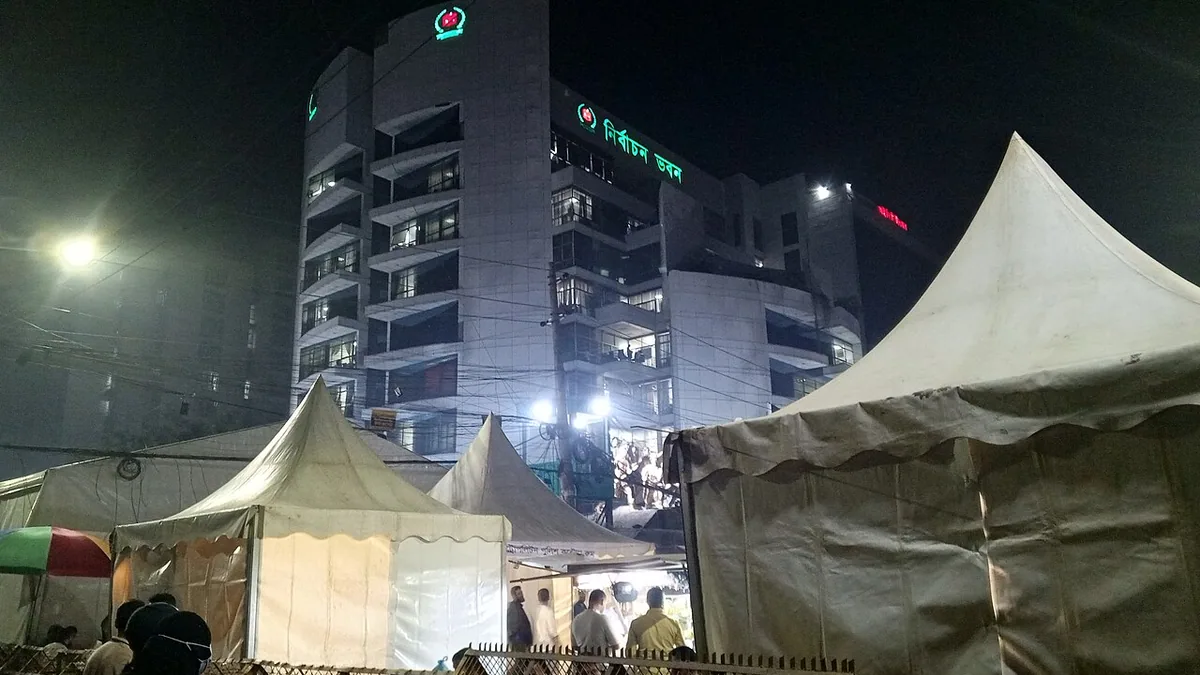
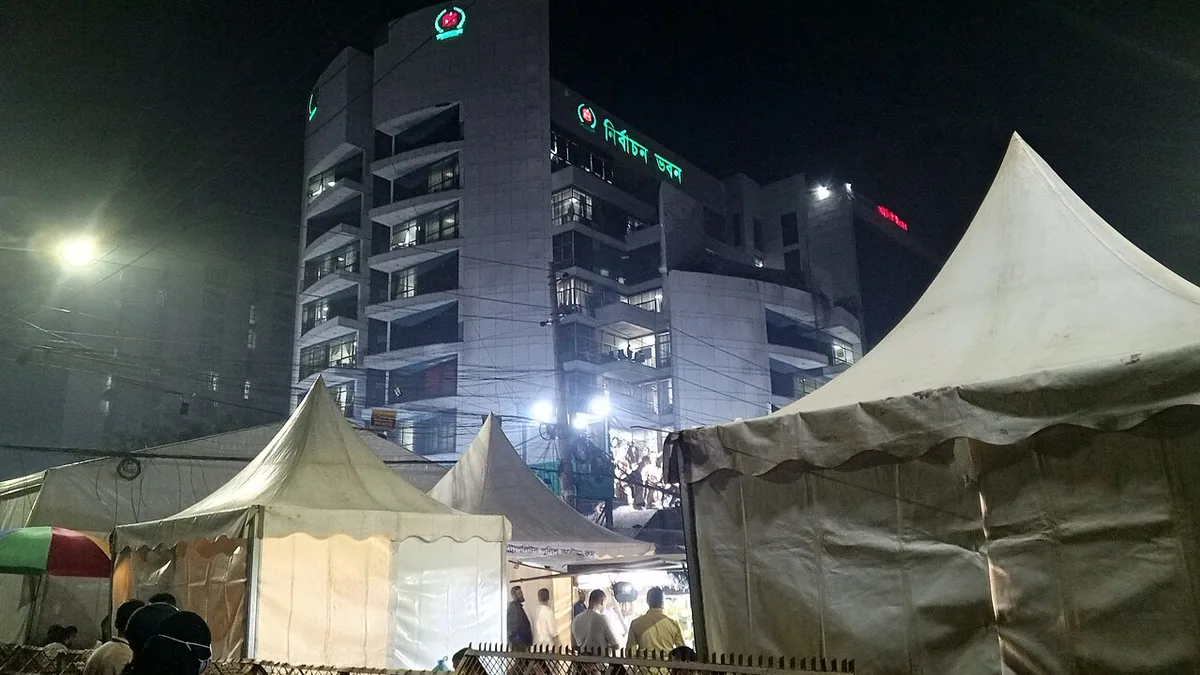
The Election Commission's role
The Election Commission is a constitutional body led by a chief election commissioner together with other commissioners, appointed by the president. It prepares the voter list, handles the registration of political parties, announces the election schedule, arranges polling centres and ballots, and oversees campaign conduct. It does not form governments or set policy; its job is to run the election. For its composition and functions in detail, see Bangladesh Election Commission: profile, structure and role.
Why it matters for people in Bangladesh
Parliament makes laws, approves the budget and scrutinises the government, so who sits in it shapes everyday life. Locally, an MP is often the link between constituents and the state. The result also decides which party governs and which sits in opposition. Turnout and public confidence affect how widely an election is accepted, and disputes over results can be challenged through legal processes.
Key facts
- The Jatiya Sangsad has 350 seats: 300 directly elected and 50 reserved for women.
- Members serve a five-year term.
- The 300 general seats are filled constituency by constituency on a first-past-the-post basis: the highest vote-getter wins.
- Reserved seats grew from 15 in 1973 to 30 from 1979, 45 in the eighth parliament and 50 in the ninth.
- Thirteen general elections have been held since independence.
- Reported turnout was 80% in the 2018 general election and 40% in the 2024 election.
- In the 2026 general election, reported results gave the Bangladesh Nationalist Party 211 of the 299 seats published at the time, with its allies taking 3; Bangladesh Jamaat-e-Islami took 68 and its allies 9.
What to watch next
How the reserved seats are allocated, the timetable for updating the voter list, and whether any changes are proposed to election rules are all worth following. For dates, schedules and procedural details, the Election Commission's official announcements and website are the reliable source, and the relevant election office can confirm anything unclear.