Introduction
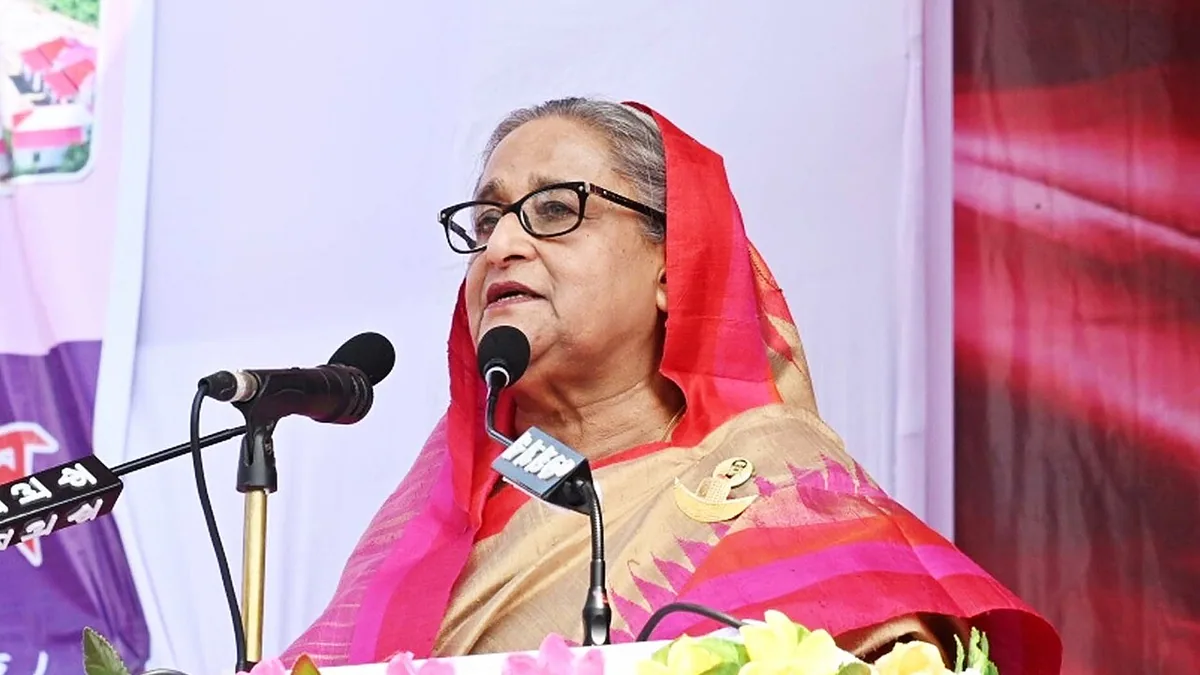
Sheikh Hasina Wazed is a prominent Bangladeshi politician who served twice as the Prime Minister of Bangladesh, first from 1996 to 2001 and again from 2009 until her resignation in 2024. As the daughter of Bangladesh's founding father Sheikh Mujibur Rahman, she has led the Bangladesh Awami League since 1981. She holds the record of being Bangladesh's longest-serving prime minister. Born in Tungipara, Gopalganj, Hasina experienced significant political upheaval following the assassination of her family in 1975, leading to years in exile before returning to lead the opposition against military rule.
Quick Facts
| Full Name | Sheikh Hasina Wazed |
|---|---|
| Born | 28 September 1947 |
| Birthplace | Tungipara, Gopalganj, East Bengal, Pakistan |
| Profession | Politician |
| Political Party | Bangladesh Awami League |
| Father | Sheikh Mujibur Rahman |
| Mother | Begum Fazilatunnesa Mujib |
Early Life & Family
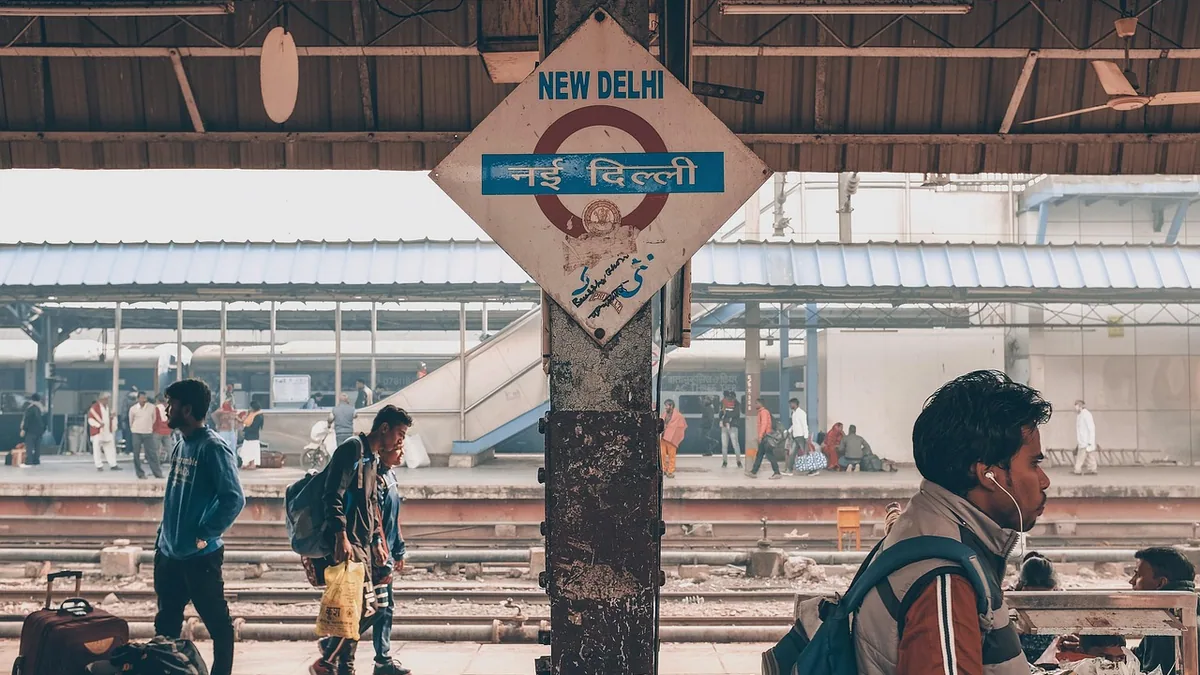
Sheikh Hasina was born on 28 September 1947 in Tungipara to a Bengali Muslim family. Her early childhood was spent in her ancestral home under the care of her mother and grandmother. Her family later moved to Dhaka, living in Segunbagicha, Minto Road, and eventually in a home built by her father on Road 32 in Dhanmondi. Due to her father's frequent imprisonment by the Pakistani government for his political activities, Hasina and her siblings spent limited time with him during their childhood. On 15 August 1975, her entire family, including her father, was assassinated during a military coup. Hasina, along with her sister Sheikh Rehana, survived as they were visiting Europe at the time. They subsequently lived in exile in New Delhi, India, for six years.
Early Political Career
While living in exile, Hasina was elected President of the Awami League on 16 February 1981. She returned to Bangladesh on 17 May 1981 to a large welcome by party supporters. During the martial law years, she was frequently detained and placed under house arrest. She played a key role alongside other political figures in the opposition movement against President Hussain Muhammad Ershad, which culminated in the 1990 mass uprising that restored parliamentary democracy. Following the 1991 general election, she served as the Leader of the Opposition until winning the June 1996 general election, which marked her first term as prime minister.
Premiership and Subsequent Events
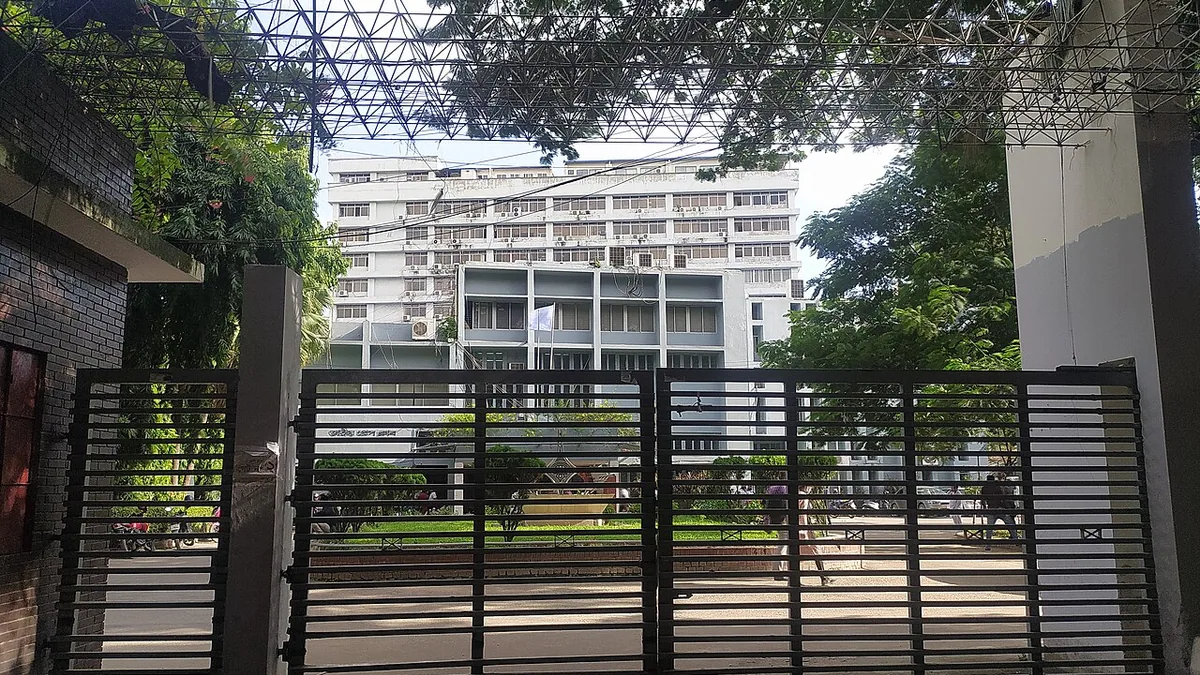
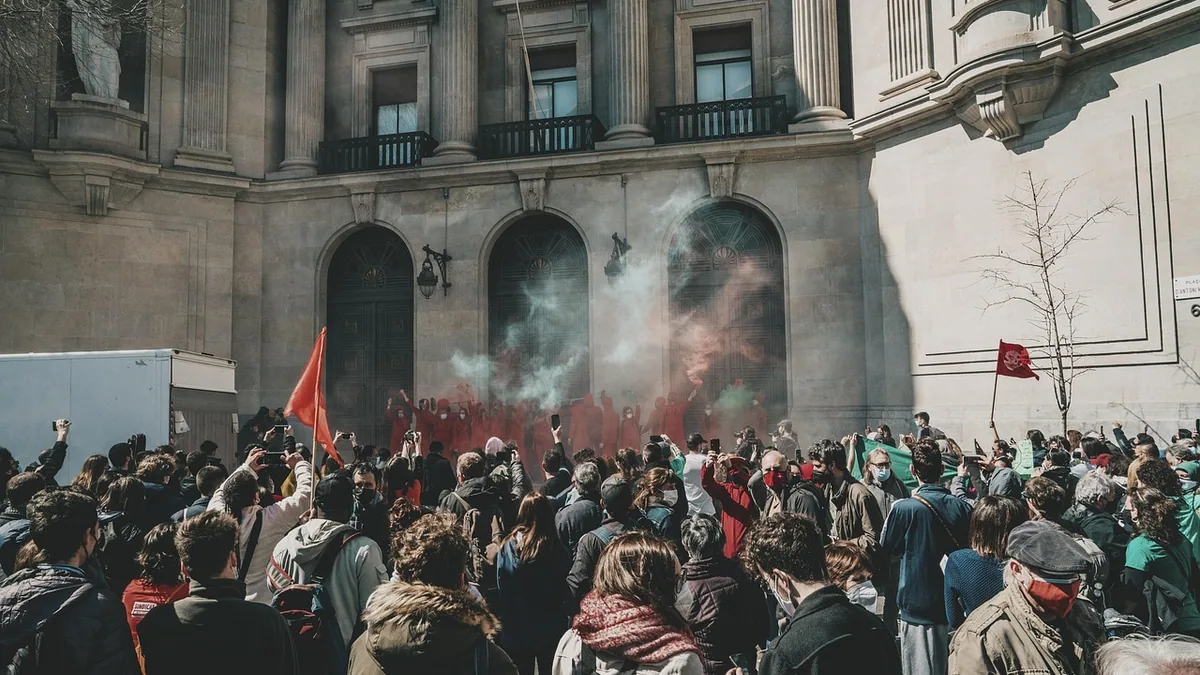
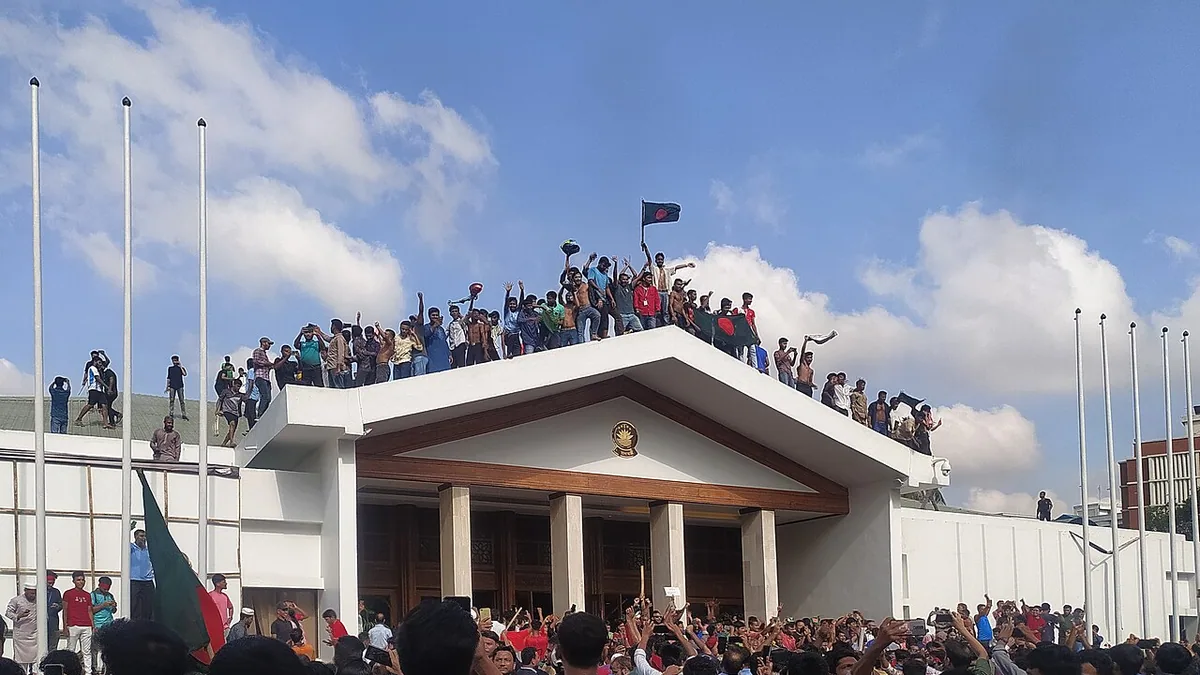
After serving as opposition leader from 2001 to 2006, Hasina won a second term in the 2008 general election. Her subsequent years in power were characterized by significant infrastructural and economic developments alongside serious criticisms regarding democratic backsliding, human rights concerns, and electoral controversies in 2014, 2018, and 2024. In July 2024, a student protest movement faced severe repression, which eventually expanded into a mass uprising and non-cooperation movement. This movement resulted in her resignation and departure from Bangladesh in August 2024, ending her 15-year tenure as prime minister. Subsequent legal proceedings and political developments continue to be reported internationally and domestically.
Related on 24khobor:
Frequently Asked Questions
When did Sheikh Hasina first become Prime Minister?
Sheikh Hasina first became Prime Minister after winning the June 1996 general election.
How long has she led the Awami League?
She has served as the president of the Awami League since February 1981.
When did her tenure as Prime Minister end?
Her tenure as Prime Minister ended in August 2024 following a mass uprising and her subsequent resignation.