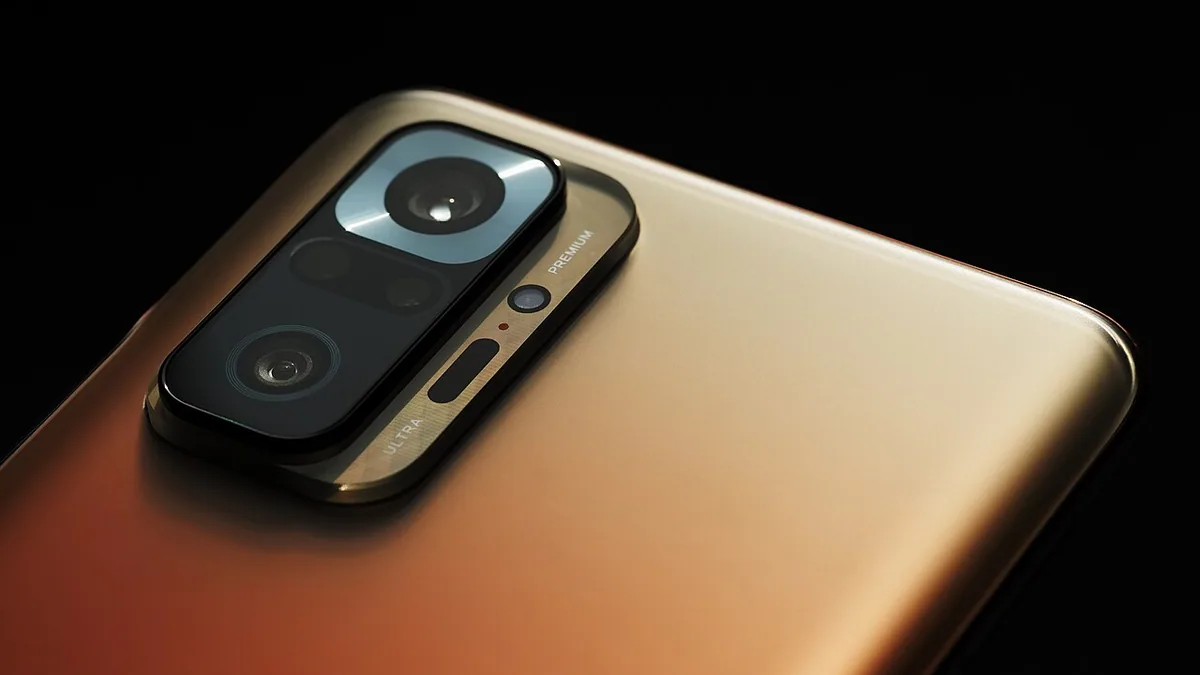
The Redmi Note line is the phone most Bangladeshi buyers actually walk out of the shop with, and the Note 14 Pro is the version that drags two flagship features down into the mid-range: a curved AMOLED panel and an IP68 rating. Both matter in a country where a phone meets monsoon rain, dust from roadworks and sweaty hands inside a rickshaw.
Market pricing sits in the ৳32,000–৳42,000 band depending on variant and channel, which parks it directly against the Samsung Galaxy A55 5G and the Realme 13 Pro+. This is a research-based review: 24khobor has not tested the handset. Everything below comes from Xiaomi's published specifications, Bangladeshi dealer listings and owner reports.
It targets buyers who want a big, bright screen, a camera that survives Facebook compression and a phone that tops up fast when the power goes out — not buyers chasing the highest frame rate in competitive shooters.
Key Specifications at a Glance
| Display | Curved AMOLED, 120Hz refresh rate (Xiaomi published specification) |
|---|---|
| Protection | IP68 dust and water rating; Gorilla Glass Victus on the front |
| Main camera | 200MP on some variants, 50MP with OIS on others — region dependent |
| Secondary cameras | Ultrawide plus a macro or portrait lens; exact split not confirmed for the Bangladesh SKU |
| Selfie camera | Not confirmed for the local variant |
| Chipset | Mid-range; the 4G and 5G versions use different chips |
| Memory | Multiple RAM and storage tiers globally; local mix not confirmed |
| Software | Xiaomi HyperOS on top of Android |
| Charging | Fast wired charging; adapter wattage varies by region |
| Battery | Large single-cell pack; exact capacity not confirmed in our references |
| Price in Bangladesh | ৳32,000 – ৳42,000 (approx., official and unofficial channels) |
Design, Ergonomics & Build Quality
The headline here is not the finish, it is the IP68 rating paired with Gorilla Glass Victus. That combination is what turns a phone from a careful owner's device into something you can answer in the rain without flinching. Xiaomi's rating covers fresh water immersion, not salt spray or soapy water, and water damage sits outside most warranties.
Curved edges change daily handling in ways spec sheets do not mention. The screen wraps around the sides, so the phone feels thinner than it is and grabs the palm well — but accidental touches at the edges are a real annoyance during one-handed scrolling on a moving bus, and the local market's case selection for curved phones is smaller than for flat ones.
Repairability is the quiet cost. Curved glass is more expensive to replace than flat glass, and tempered protectors fit poorly, so most owners end up with a film protector or a bulky case. If you drop phones often, budget for that on day one rather than after the first crack.
Display & Multimedia Experience
This is the strongest reason to buy the phone. An AMOLED panel at 120Hz makes HyperOS animations and Facebook scrolling feel far smoother than the 60Hz flat panels common below ৳30,000, and the deep blacks are easier on the eyes during late-night reading. The curve gives a premium look that flat rivals cannot match at this price.
Outdoor legibility matters more in Bangladesh than peak brightness figures on a box. Under the Dhaka sun, curved glass catches reflections along the edges, so a matte screen protector helps. Xiaomi quotes a high peak brightness figure, but our references do not confirm the local variant's exact number, so judge it in a shop under daylight rather than trusting the sticker.
For media, the panel's colour depth suits YouTube and Netflix well. If most of your viewing happens at home rather than on a phone, our Walton 43-inch Android Smart TV review covers a far cheaper way to get a big screen in a Bangladeshi living room.
Performance, Gaming & Daily Multitasking
Xiaomi has not put a flagship chip in this body. On paper the processor sits in the upper mid-range tier, which is more than enough for WhatsApp, bKash, Facebook, YouTube and the occasional spreadsheet. The 120Hz panel does much of the perceived-speed work, so the phone feels quicker than the silicon alone would suggest.
Gaming is where expectations need managing. The references give no measured frame rates, so the honest guidance is this: titles like BGMI and Free Fire should run comfortably at medium settings, while heavier titles such as Genshin Impact will need reduced detail. In a Dhaka summer, sustained gaming also brings warmth and eventual throttling on any mid-range phone.
HyperOS is feature-rich, with floating windows and useful battery tools, but Bangladeshi buyers routinely report pre-installed third-party apps and notification ads. Budget twenty minutes on first boot to uninstall and disable them; after that, multitasking between six or seven apps is fine on the RAM tiers Xiaomi ships.
Camera System & Real-World Photography
The naming is the biggest trap. Xiaomi sells this model with a 200MP main sensor in some markets and a 50MP sensor with optical image stabilisation in others. The OIS version is the better all-rounder for night shots and video, so check the model code on the box instead of assuming the bigger number is the better camera.
In daylight, both configurations produce sharp, saturated photographs that look good on Facebook and Instagram without editing — which is what most buyers in this bracket actually do. The 200MP mode is for cropping, not for routine shooting: full-resolution files are large, slow to save and offer little benefit in normal light.
Low light is where the sensor size and stabilisation decide things. OIS helps hand-held night shots and video stability considerably, while the ultrawide lens will be visibly softer after dark. Selfie camera specifications for the local unit are not confirmed, so verify that in person before paying.
Battery Life, Charging & Longevity
Xiaomi fits a large single-cell battery, and the exact capacity for the Bangladesh variant is not confirmed in our references. What the specifications do suggest is all-day endurance for a moderate user — calls, messaging, an hour of video and some camera use — though heavy 120Hz use and Dhaka's heat will cut into that.
Fast wired charging is the practical win here. With load-shedding still part of daily life, a 30-minute top-up that adds a usable half-day of battery is more valuable than a marginally larger cell. Confirm whether the retail box includes the fast charger, because regional bundles differ.
Longevity is a mixed picture. IP68 and Victus glass mean the body should outlast the software support window, and Xiaomi's authorised service centres in Dhaka and Chattogram stock common parts. Resale value for the Redmi Note line is solid but below Samsung in Bangladesh, so plan to keep it two to three years rather than flipping it in six months.
Price in Bangladesh, Variants & Rival Comparison
Two price worlds exist. Authorised Xiaomi channels sell with VAT paperwork, local warranty and service support, and typically sit at the upper end of the ৳32,000–৳42,000 band. Unofficial imports and reconditioned units undercut that by several thousand taka, but you inherit the warranty risk and often a China-market ROM.
| Model | Standout Feature | Approx. Price (BDT, market estimate) |
|---|---|---|
| Xiaomi Redmi Note 14 Pro | Curved 120Hz AMOLED with IP68 and Victus glass | ৳32,000 – ৳42,000 |
| Samsung Galaxy A55 5G | Longer software support and stronger resale | ৳45,000+ |
| Realme 13 Pro+ | Periscope-style zoom and faster charging | ৳50,000+ |
| Redmi Note 13 Pro | Cheaper flat-screen alternative with similar camera hardware | ৳30,000 – ৳34,000 |
Rival prices are dealer-level estimates and move weekly, so confirm current quotes before deciding. The pattern is consistent though: Samsung charges a premium for update policy and resale, Realme charges for zoom, and Xiaomi undercuts both on display and durability.
Final Verdict: Should You Buy It in Bangladesh?
Buy it if you want the best screen and the toughest body your money can buy in this bracket, you shoot a lot of daylight photos for social media, and you value IP68 during the monsoon. The curved AMOLED and Victus glass are not marketing lines — they change how you use the phone daily.
Skip it if gaming is a priority, if you need the longest possible software support, or if you dislike curved screens and the repair bills that come with them. In those cases the Galaxy A55 5G or the cheaper, flat-screen Redmi Note 13 Pro makes more sense.
One condition applies to every buyer: confirm the variant. The 200MP and 50MP OIS cameras, the 4G and 5G chips, and official versus imported stock all share the same retail name. Ask for the model code, the warranty card and the charger in the box before you hand over cash.
How we researched this review
This review draws on Xiaomi's published specification sheets, Bangladeshi dealer and retailer price listings, and published reviews along with owner reports from Redmi Note users. No unit was tested by 24khobor, and specifications or prices marked as unconfirmed should be verified with an authorised retailer before purchase.