Tensions in the Persian Gulf have escalated sharply as Iran intensifies military actions in response to US naval blockades and economic sanctions. According to reports, the Islamic Revolutionary Guard Corps (IRGC) has targeted US military sites and oil tankers in the region, while the Trump administration has introduced new sanctions targeting Iran's shadow banking network. These developments have significantly disrupted global energy transport through the strategic Strait of Hormuz, raising critical questions about the trajectory of the conflict and its economic fallout for international energy markets.
Background
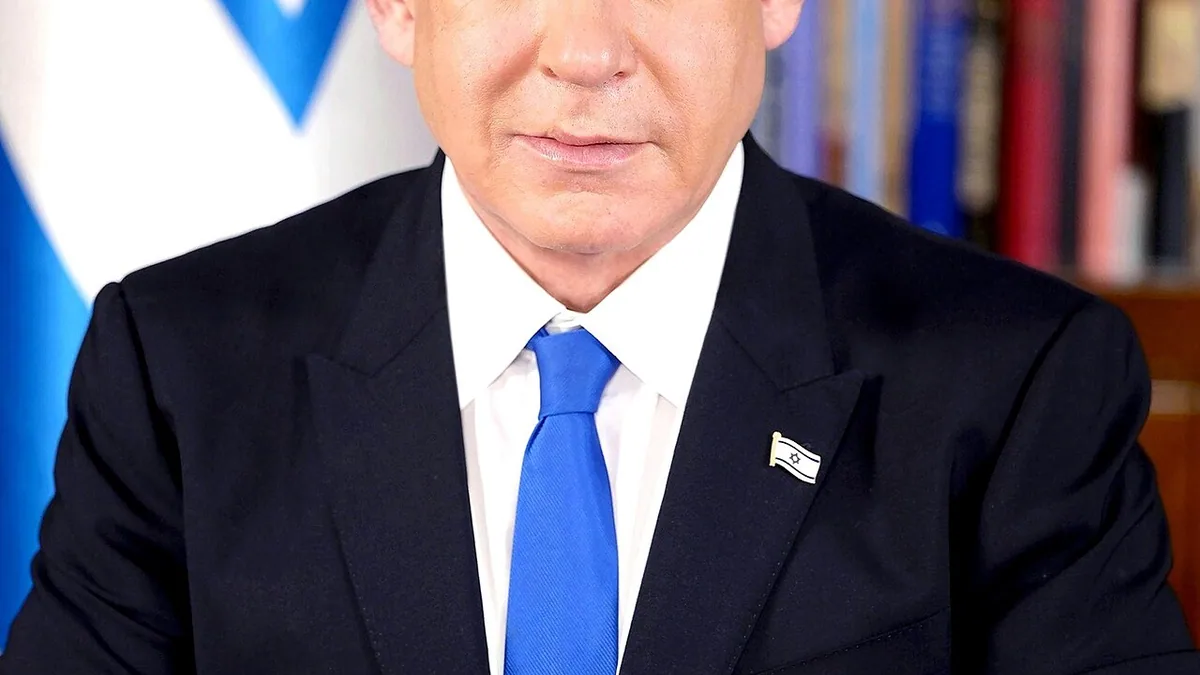
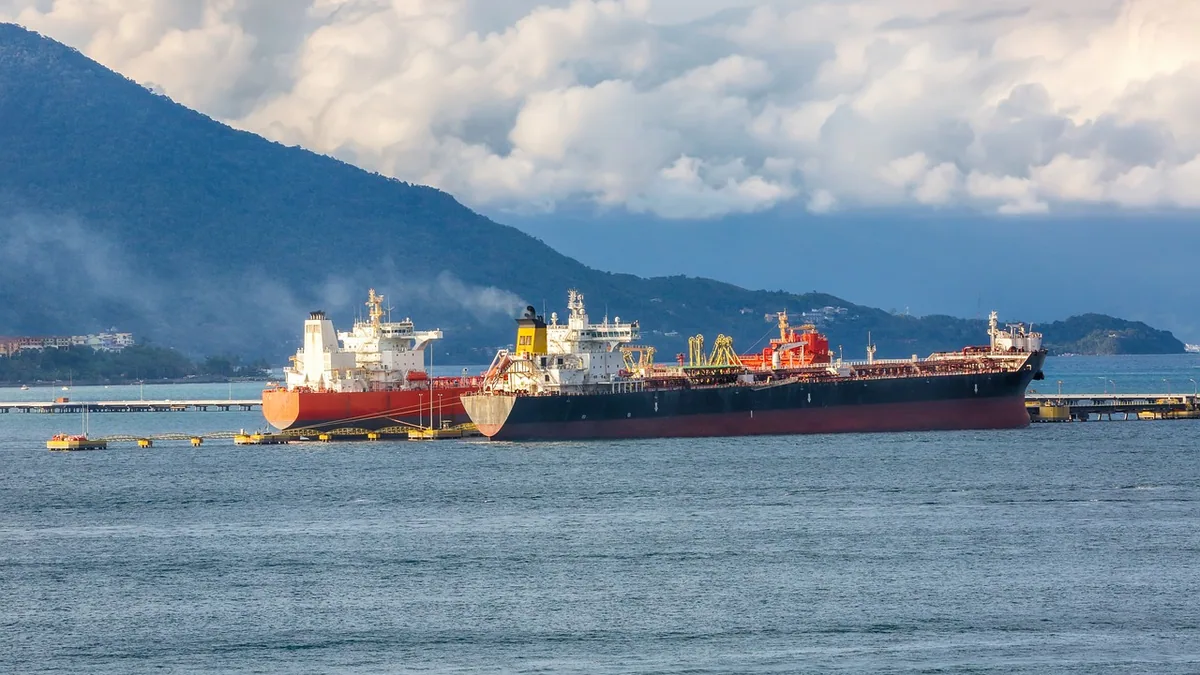
The current confrontation intensified after fighting began earlier this year on February 28, leading to a strict US naval blockade and economic pressure on Tehran. In late November 2026, reports detailed a surge in retaliatory moves by Iran. The IRGC claimed responsibility for attacks on US military radar systems and bases in Bahrain, while multiple oil tankers in the Strait of Hormuz were also targeted, with at least twenty-five tankers reportedly hit over a single week. Meanwhile, earlier reports noted that US President Donald Trump stated he has no interest in regime change in Iran, preferring a long-term agreement to halt its nuclear ambitions. Concurrently, Israeli Prime Minister Benjamin Netanyahu and opposition leader Gadi Eisenkot were engaged in renewed coalition talks, while reports said Netanyahu was pressing for faster military action against Iran.
Why it matters
The ongoing disruptions in the Persian Gulf carry severe consequences for global energy supplies and regional stability. Before the conflict, the Strait of Hormuz handled one-fifth of the world's total crude oil and liquefied natural gas (LNG). The recent attacks and blockades have severely choked this supply route, driving up economic pressure. Furthermore, Iranian courts recently ordered the United States to pay $290 billion in damages for historical actions, while Iranian officials have announced preparations to dispatch multiple oil tankers through the blockade despite US restrictions, heightening the risk of direct military escalation.
What each side says
Iranian President Masoud Pezeshkian stated at a capital market conference that Tehran is facing a "silent economic war" due to US sanctions and naval blockades. The IRGC asserts that its strikes on US and allied infrastructure in Bahrain are a justified response to repeated violations of Iranian airspace by US drones and retaliatory US actions. Conversely, the Trump administration maintains that its objective is a lasting deal rather than regime change, though reports indicate Israeli leaders are pressing for aggressive military measures. Iran's Foreign Ministry, meanwhile, has said Tehran will use all available means to confront the naval siege and defend itself.
What to watch next
Reports indicate that Iran is preparing to send additional oil tankers through the blockade toward China, a move that could trigger further confrontations at sea. Observers will also monitor whether the mounting economic and energy pressures will force Washington and Tehran toward negotiations or lead to broader military escalation, alongside political developments in Israel regarding potential government formation and military strategies.