Founding and History
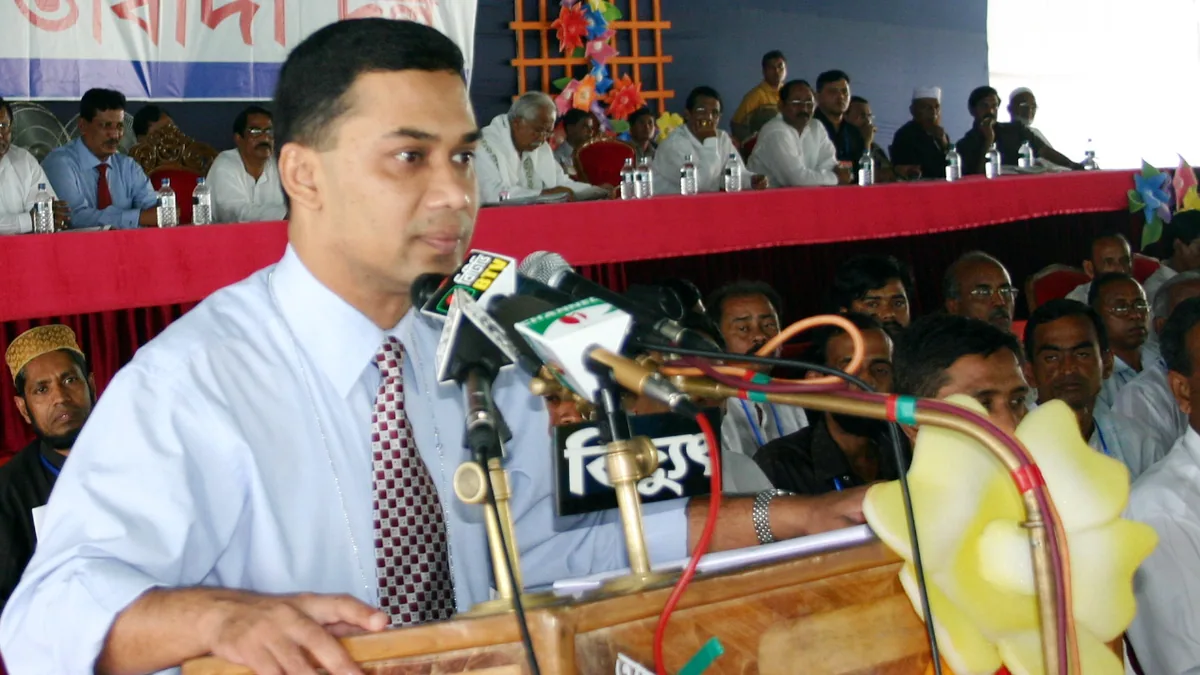
The Bangladesh Nationalist Party (BNP) was founded on September 1, 1978, by then-President Ziaur Rahman. During its establishment, it was known as the party of the battlefield freedom fighters. Following Ziaur Rahman's assassination in 1981, his widow, Khaleda Zia, took over the leadership of the party. After her imprisonment in 2018, Tarique Rahman led the party affairs as acting chairperson and later became the chairperson. Since its inception, the BNP has been one of the two major mainstream political forces in the country.
Ideology
The BNP espouses the ideology of Bangladeshi nationalism. It is a centre to centre-right political party that combines national pride with traditional values, while also emphasizing corporate interests. The party maintains a balanced stance on foreign relations, including with India, and embraces a blend of moderate Islam and traditional Bengali culture.
Periods in Government
Over the decades, the BNP has won several presidential and general elections. Members of the party, including Ziaur Rahman, Abdus Sattar, Abdur Rahman Biswas, A. Q. M. Badruddoza Chowdhury, and Muhammad Jamiruddin Sircar, have served as the country's president. Additionally, Mashiur Rahman, Shah Azizur Rahman, Khaleda Zia, and Tarique Rahman have served as prime minister. Khaleda Zia made history as the first female prime minister of Bangladesh. Following the 2026 general election, the party formed the government.
Controversies and Current Status
The BNP has faced sustained criticism over the years regarding governance, corruption, and political violence, particularly during its 2001–2006 tenure and through allegations involving affiliated wings. Despite these controversies and challenges, the party remains a central pillar of Bangladeshi politics. As of 2026, its support base spans across various demographics, including working-age voters, farmers, labourers, and diverse communities across the country.