Background and Early Life
Begum Khaleda Zia was born in 1946 in Jalpaiguri, British India, to Iskandar Ali Majumder and Taiyaba Majumder. Her family moved to Dinajpur in East Pakistan in 1950. In 1960, she married Ziaur Rahman, then an officer in the Pakistan Army. During the Bangladesh Liberation War in 1971, she and her children were detained by the Pakistani forces until their release on 16 December 1971.
Political Career and Premiership
Following the assassination of President Ziaur Rahman in 1981, Khaleda Zia entered politics and became the leader of the Bangladesh Nationalist Party (BNP) in 1984. She played a prominent role in the pro-democracy movement against the military rule of Hussain Muhammad Ershad and the 1990 mass uprising. She served as the prime minister of Bangladesh for two terms: from 1991 to 1996 and from 2001 to 2006. Her terms in office saw various economic, educational, and administrative developments alongside political and governance challenges.
Later Years and Legacy
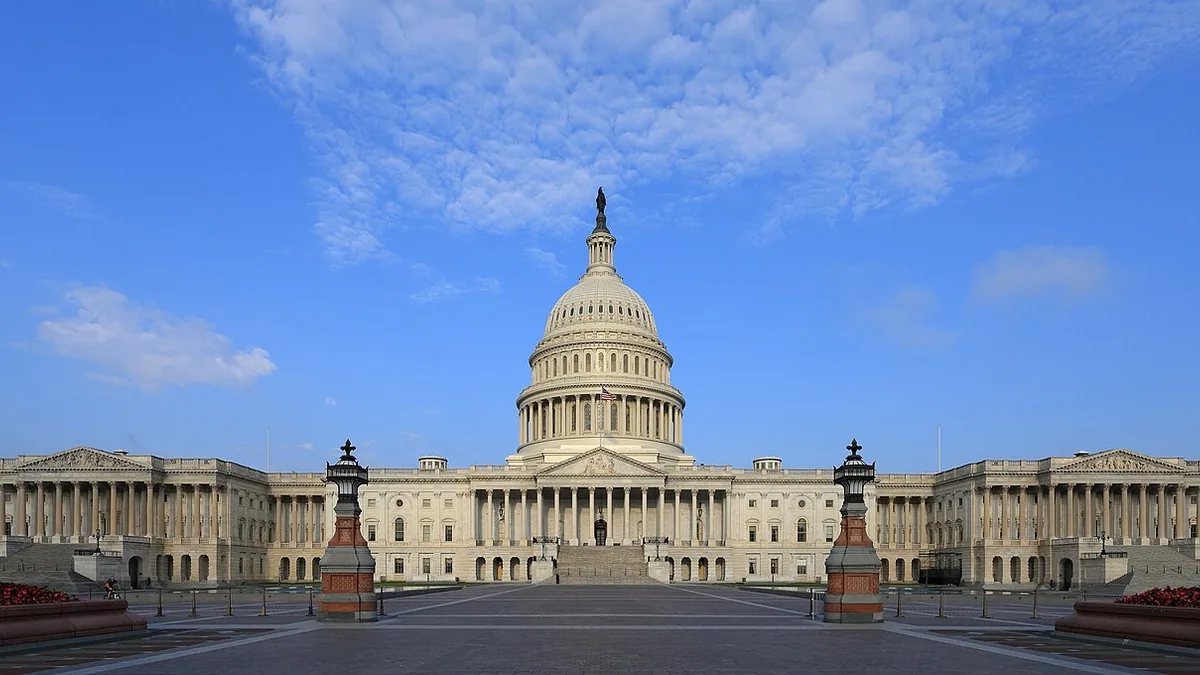
In later years, Zia faced various legal challenges and was sentenced to prison in 2008 and 2018 amid shifting political landscapes. After a prolonged illness, she passed away on 30 December 2025 and received a state funeral. In 2026, a street in Chicago, United States, was honorarily named after her in recognition of her political journey.