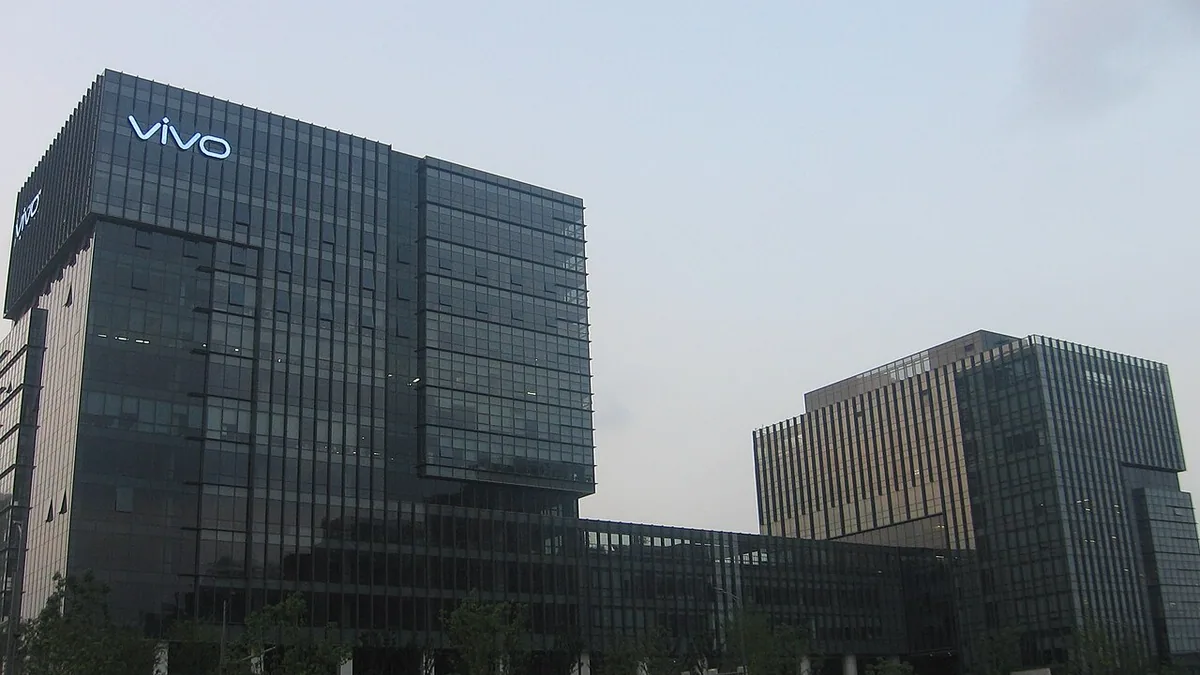
Vivo has been selling phones in Bangladesh since 2017, according to Wikipedia's company profile, and its long-term imaging partnership with ZEISS — announced in December 2020 — is the backbone of how the V40 5G is marketed. This is an upper-midrange phone sold on portrait photography and slim design rather than raw chipset speed, with an approximate Bangladesh price band of ৳48,000–৳62,000 depending on variant and seller.
That band is crowded. The Oppo Reno 12 and Samsung Galaxy A55 chase the same buyer, and phones such as the Redmi Note 14 Pro undercut both. What the V40 5G brings to the argument is a curved AMOLED panel, a 5,500mAh BlueVolt battery inside a thin chassis, and IP68 sealing — the last one matters in a country where monsoon rain and year-round humidity shorten the life of badly sealed handsets.
This is a research-based review: 24khobor did not test this phone. Everything below comes from manufacturer specifications, published reviews and owner reports, and every price is approximate rather than a quoted retail figure.
Key Specifications at a Glance
| Display | 6.78-inch curved AMOLED, 120Hz refresh rate (per Vivo's specification sheet) |
|---|---|
| Processor | Qualcomm Snapdragon 7 Gen 3 (4nm) |
| Rear cameras | 50MP main with OIS + 50MP ultra-wide, ZEISS optics, Aura Light ring |
| Front camera | 50MP autofocus wide |
| Battery | 5,500mAh BlueVolt |
| Charging | 80W wired; charger bundle in Bangladesh retail not confirmed |
| Build & protection | Slim curved body, IP68 dust and water resistance |
| Speakers | Single bottom-firing speaker |
| Software | Funtouch OS on Android; update timeline for Bangladesh units not confirmed |
| Warranty | Varies by seller — confirm official warranty card before paying |
| Approx. price in Bangladesh | ৳48,000 – ৳62,000 (approx.) |
Design, Ergonomics & Build Quality
The V40 5G is defined by how thin it feels. Curved glass on both faces tapers into a narrow frame, and the phone is light enough that long one-handed scrolling on a Dhaka bus does not strain the wrist. The trade-off of a curved screen is familiar: edge touches during gaming, and screen protectors that never sit quite flush.
IP68 is the genuinely practical part of the design. Monsoon downpours, kitchen splashes and humid pockets are everyday risks here, and a sealed chassis reduces the chance of liquid reaching the mainboard. It is protection, not a warranty — liquid damage is normally excluded from coverage even on IP68 phones.
Finish options lean matte, which resists the fingerprint smudging that glossy backs collect in Bangladeshi heat. The camera island protrudes slightly, so the phone rocks a little on a flat desk; a slim case solves both that and the curved-edge handling issue.
Performance & Hardware
The Snapdragon 7 Gen 3 is a mid-tier 4nm chip, and on paper it is tuned for efficiency rather than benchmark headlines. For the way most buyers in Bangladesh actually use a phone — WhatsApp, Facebook, bKash, YouTube, ride-hailing apps and a dozen browser tabs — the combination of that chipset and 120Hz scrolling should feel smooth.
Where it sits relative to rivals is clear: Samsung's A55 and Oppo's Reno 12 are broadly in the same performance class, and none of them match a true flagship. Published reviews of Snapdragon 7 Gen 3 devices generally describe stable frame rates at medium-to-high settings in titles such as PUBG Mobile, with some warmth near the camera module during long sessions.
Storage and memory configurations vary by market, and 24khobor could not confirm which variants Bangladeshi retailers stock. Check the RAM/storage label on the box itself rather than relying on the shop's listing, because grey-market imports often differ from the officially advertised configuration.
Display & Multimedia Experience
The 6.78-inch curved AMOLED is the visual highlight: deep blacks, strong contrast and sharp text, with a 120Hz refresh rate that makes scrolling and app animations feel quick. Vivo quotes a high peak brightness figure, and on paper that should keep the screen readable outdoors — useful when you are navigating an unfamiliar road in midday sun.
Multimedia is where the phone cuts corners. There is a single bottom-firing speaker, so videos and games play in mono, and cupping a hand over the grille is still the only way to direct sound at yourself. At this price, the absence of stereo speakers is a real omission against some rivals.
For most Bangladeshi buyers the fix is cheap: a pair of Bluetooth earbuds or a USB-C headset does more for movie and music quality than any built-in speaker would. Streaming on the curved panel itself remains a pleasant experience, with slim bezels that make long video sessions look less cramped.
Camera System & Real-World Photography
The camera array is the reason to consider this phone. A 50MP main sensor with optical image stabilisation handles the bulk of daylight shooting, and ZEISS co-engineered processing shapes colour and contrast. Published reviews of ZEISS-tuned Vivo phones generally describe natural skin tones and controlled highlights rather than the over-brightened look common in the segment.
The 50MP ultra-wide is unusually well specified for this class, and the Aura Light ring is the feature buyers will notice most. It throws a soft, diffused fill for evening portraits instead of the harsh flash burst that flattens faces — genuinely useful at a wedding hall or a dimly lit restaurant in Dhaka.
Low light is where any phone in this bracket compromises, and owners report that detail holds up reasonably with steady hands while moving subjects smear. The 50MP autofocus front camera is a strong point for video calls, selfies and content creators shooting reels for Facebook or TikTok.
Battery Life, Charging & Longevity
A 5,500mAh cell in a body this thin is the second half of the V40 5G's pitch. The BlueVolt branding refers to Vivo's battery technology, and on paper the capacity should comfortably clear a full working day of mixed data, calls, social media and video, with reserve left for evening use.
That reserve matters during load-shedding. A phone that still has 30–40 percent at 8pm keeps the router tethered and the torch working when the grid drops. Charging is rated at 80W wired, which should refill a large part of the cell during a short break, though 24khobor could not confirm whether Bangladeshi retail boxes include the fast charger.
Longevity depends on charge habits as much as hardware. Vivo, like most brands, builds charge-limiting algorithms into the software; keeping the phone off a hot dashboard and away from direct sun while charging will do more for two-year battery health in this climate than any setting.
Price in Bangladesh, Variants & Rival Comparison
Vivo's local pricing is shaped by import duty and distributor margins, so the same model can appear at noticeably different figures across official showrooms, online marketplaces and grey-market shops. Official units come with a local warranty card and service-centre support; unofficial imports are cheaper but usually carry no local coverage, and after-sales repair for ZEISS-branded camera hardware is not something a roadside shop can handle.
Within the ৳48,000–৳62,000 band the V40 5G is priced against two direct rivals and one value alternative. The table below compares the headline strength of each; prices are approximate and move with seller and variant.
| Model | Standout Feature | Approx. Price (BDT) |
|---|---|---|
| Vivo V40 5G | ZEISS portrait cameras, Aura Light, IP68, 5,500mAh | ৳48,000 – ৳62,000 (approx.) |
| Oppo Reno 12 | Slim design with AI portrait retouching | ৳50,000 – ৳58,000 (approx.) |
| Samsung Galaxy A55 | Long software support and conservative build | ৳47,000 – ৳55,000 (approx.) |
| Xiaomi Redmi Note 14 Pro | Lower price for comparable everyday performance | ৳35,000 – ৳45,000 (approx.) |
The Reno 12 is the closest stylistic match, and the A55 wins on update longevity if you plan to keep the phone four years or more. The Redmi Note 14 Pro, covered in our full Redmi Note 14 Pro review, is the pragmatic choice for buyers who want the basics done well and would rather save the difference.
Final Verdict: Should You Buy It in Bangladesh?
Buy it if portrait photography is the reason you are upgrading, if you want a phone that feels slim and premium in the hand, and if IP68 protection matters to you during monsoon season. Content creators shooting people, wedding guests and frequent travellers get the most out of the ZEISS tuning and Aura Light.
Skip it if stereo speakers and top-tier gaming frame rates are non-negotiable, or if you keep phones for four-plus years and value the longest possible software support. In that case the Galaxy A55 or a cheaper performance-focused phone makes more financial sense in Bangladesh.
Above all, buy an official unit with a warranty card. A grey-market V40 5G saves money on day one and can cost far more if the camera module or display needs replacement later.
How we researched this review
This review draws on Vivo's published specifications and company history, Bangladesh market pricing patterns from authorised dealers and online retailers, plus published hands-on reviews and owner reports for ZEISS-tuned Vivo phones and their direct rivals.